How to Make Better Coffee at Home: Tips From Boxcar Coffee Roasters
 10 min read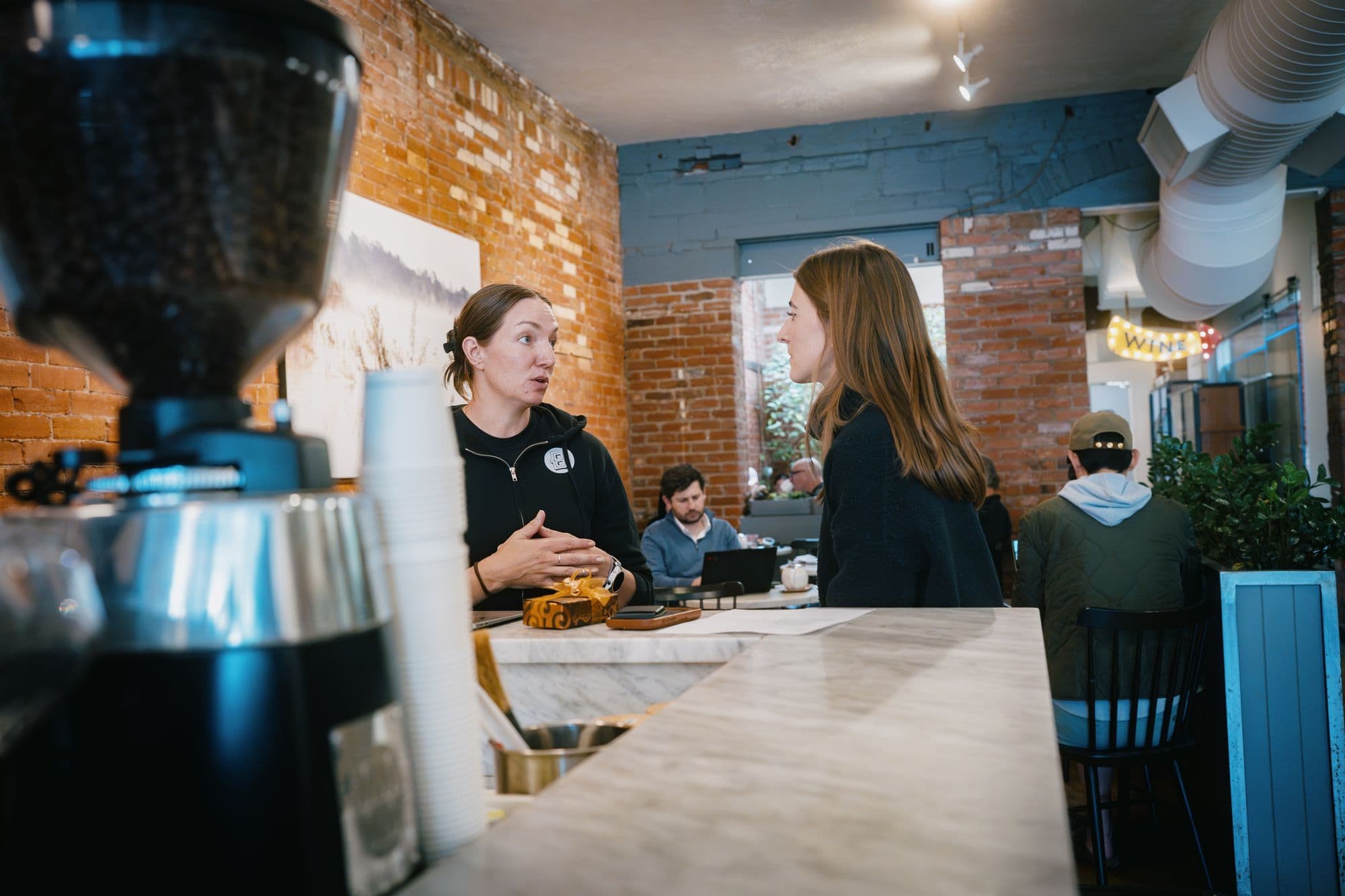
Great coffee at home doesn’t have to be complicated. But there are a few little things, from coffee grind size and water quality to coffee-to-water ratio and bean storage, that make a much bigger difference than you’d think.
One of Willow’s Home Concierges, Morgan, sat down with Linnea, a coffee expert at Boxcar Coffee Roasters in Boulder, Colorado, to talk through the details that can be easy to overlook, the things we’re probably overthinking, and a few simple changes that can make tomorrow morning’s cup noticeably better.
It’s the kind of thing we love learning about at Willow… the small details that make everyday life at home a little easier, a little better, and, in this case, much more caffeinated.
Meet Linnea
Linnea has been part of Boxcar almost from the beginning. Boxcar began roasting coffee in 2010 and opened its Pearl Street cafe in 2011. Linnea joined as a barista in 2012 and, over the past 14 years, has managed and opened cafes and grown alongside the company. Today, she manages Boxcar’s wholesale program and supports its marketing, PR and communications.
In other words, she’s spent a lot of time thinking about coffee and answering all of the curious questions. So naturally, we had a few.
Great beans are only the beginning
Morgan: If I buy amazing beans but my coffee still isn’t great, what’s probably going wrong?
Linnea: The coffee quality matters and you’ll taste a difference, but it’s not the only thing. Disappointing home coffee comes from blade-ground or pre-ground coffee, guessing the dose with a scoop, and brewing it differently each morning.
A blade grinder gives you an inconsistent grind, and scooping makes it really hard to repeat the same recipe from one morning to the next.
Pro tip: Start with a good grinder and a scale. Once you know exactly how much coffee and water you’re using, you have a baseline. Then, if your coffee doesn’t taste quite right, you can change one thing at a time and actually understand what made the difference.
Great beans matter, but how you brew them matters too.
Another thing to point out is that the date on the bag changes the flavor. Coffee isn’t best the day it’s roasted. Most coffees taste best around 5 to 21 days after roasting.
Make your coffee a recipe
Morgan: How should we actually measure coffee?
Linnea: Weigh it, don’t scoop it! Using a scale is my number-one recommendation for someone who wants to improve their coffee at home. Invest in a $15 kitchen scale to really up your game.
A good single mug is 22 grams of coffee to 350 grams of water.
The starting ratio looks like 1:16, meaning 1 gram of coffee to 16 grams of water. The exact recipe isn’t really the point, though. The point is knowing what your recipe is.
Weight is much more accurate than volume. Once you can repeat the same recipe, you can start recognizing patterns. If something tastes different tomorrow, you know the amount of coffee and water didn’t change, so you can look at the grind or another variable.
You don’t necessarily have to pull out a scale every morning forever, either. I’ve measured the water in my brewer and literally marked the right level so I could make it quickly the next time.
Take the time to figure out what works once. Then make it easy to repeat. For most people, I’d focus on three things: a good-quality brewer, a good grinder and a coffee scale.
Boulder water is actually pretty coffee friendly
Morgan: Does Boulder water change the way our coffee tastes? Tell us if tap or filtered makes a difference in the taste and quality?
Linnea: Boulder water is on the softer side, which is great for your equipment because you don’t get as much scale buildup from hard water. It has a little less minerality, though, so sometimes you can lose a little of the pop and zing in your coffee. It might taste slightly flatter.
Filtered tap water is great in comparison to distilled or reverse osmosis. Try not to use distilled or RO because it has nothing in it to extract with.
Keep your beans in the bag… and out of the refrigerator
Morgan: Are we storing our coffee wrong? And please settle the freezer storage debate!
Linnea: Ha! Day to day, keep your coffee in an airtight bag at room temperature. Weigh out what you need, grind it when you’re ready to brew, and keep the rest sealed. If you want to use another container, airtight and opaque are what matter… and keep it away from heat and light!
Never put coffee in the refrigerator. Coffee is porous, so moisture and all of those other smells in your fridge aren’t doing it any favors. Onion is not an attractive coffee profile.
I will say, the freezer is different. If you buy more coffee than you’ll use within two or three weeks, portion it into smaller airtight packages and freeze them individually. Then you can pull out one portion and use it rather than repeatedly taking the same bag in and out of the freezer. Damage can come from condensation when a cold bag keeps getting opened.
Your grind is one of the best ways to troubleshoot your coffee
Morgan: How do I know if my grind is right?
Linnea: Grind controls how quickly the water moves through your coffee, which affects how much you’re extracting.
- Sour, thin, or it brewed too fast: grind finer.
- Bitter, harsh, dry, or it brewed too slow: grind coarser.
For pour-over, start around the texture of coarse sand. Change one thing at a time, and use a burr grinder! Blade grinders make dust and boulders at the same time, and those extract unevenly.
Another pro tip: You can use any coffee bean for espresso. What makes the difference is the grind. Not the bean.
A good automatic brewer might beat your perfect pour-over
Morgan: What brewing method do you recommend for most homes?
Linnea: Personally, I use a NextLevel Pulsar for pour-overs. It’s consistent and forgiving. It has a shower screen that distributes the water evenly, so it doesn’t require the precision pouring that a traditional pour-over can. You don’t have to do the whole dance.
But honestly, a good automatic brewer can make incredible coffee, and in some cases it can be more consistent than a pour-over because you’re removing human error. (Love the Fellow Aiden brewer!)
There’s also one important consideration here in Boulder: our boiling point is around 202 degrees rather than 212 at sea level. We lose heat at elevation, so you want a brewer that can get the water hot enough. Not every home coffee maker does.
Morgan: And so what do the pros do to make the perfect pour-over?
Linnea: Rinse the paper filter with hot water, which also preheats the brewer. Bloom: pour 3x the coffee’s weight in water, wait 30 to 45 seconds, and let the gas escape. Aim for a consistent total time, about 3.5 to 4.5 minutes.
The real difference is that pros repeat the same recipe on purpose. We don’t improvise every morning.
What a pro notices in the first sip
Morgan: What does a coffee professional notice in the first sip that the rest of us don’t?
Linnea: We’re tasting for balance.
- Balance: is it sour or bitter?
- Body: is it thin or heavy?
- Sweetness: most people don’t expect coffee to be sweet, and well-brewed coffee is!
- Finish: is the aftertaste crisp and clean or dry and astringent?
Sourness means it’s under-extracted. That dry, mouth-coating feeling means it’s over-extracted.
An over-extracted coffee can taste bitter, dry and astringent. I compare it to taking a bite of straight baking cocoa when you were expecting a chocolate bar. An under-extracted coffee can taste sour. You get those little zingers along the sides of your tongue.
When you land in the middle, a well-extracted coffee can actually taste sweet, even though there’s no sugar in it. That’s what we’re looking for: balance and that perceived sweetness.
You can teach yourself to notice it, too. Take your grinder several notches coarser than usual and taste the coffee. Then swing it several notches finer and taste it again. Once you’ve tasted the extremes, it becomes much easier to recognize where the balance is.
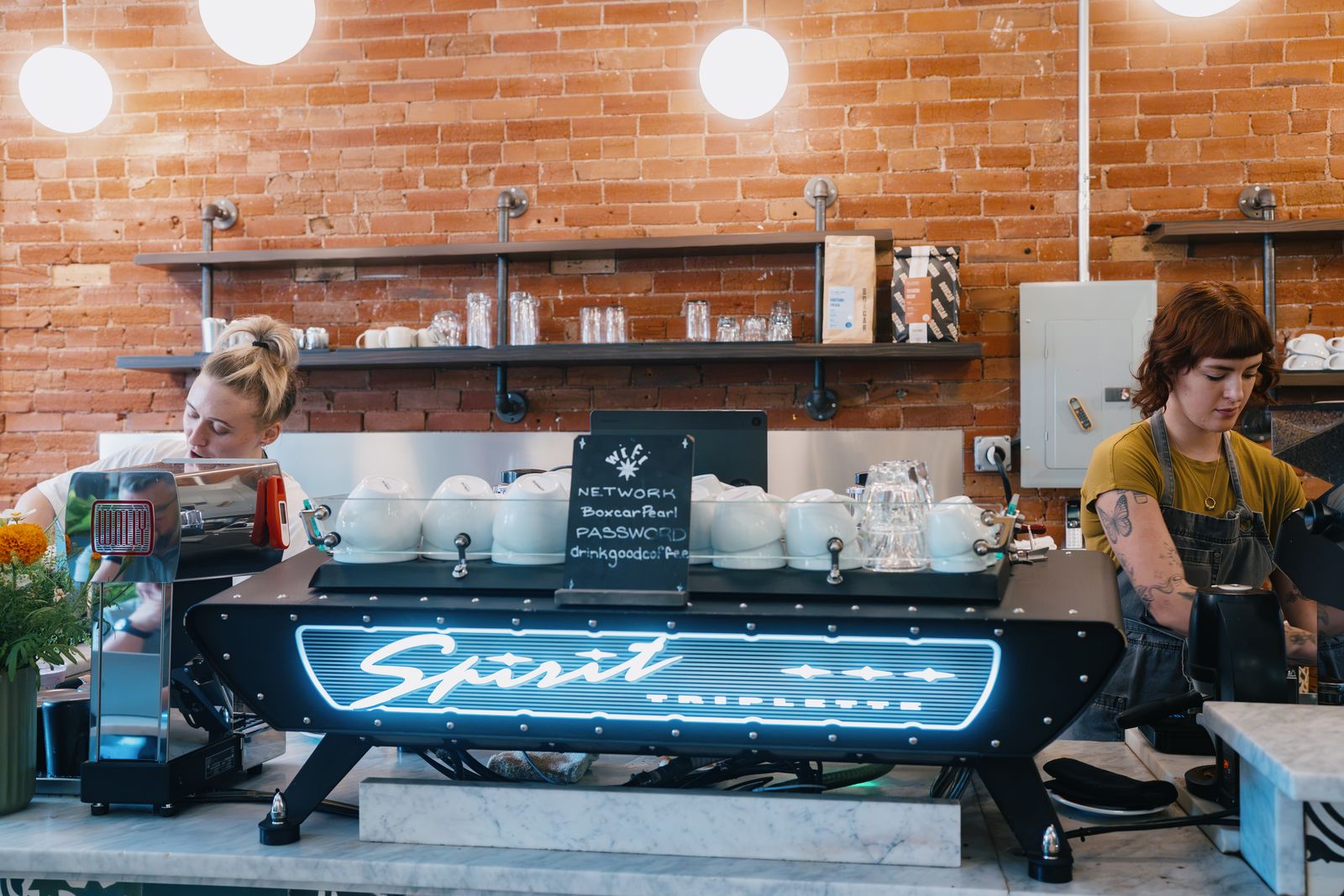
The espresso machine isn’t the investment if the grinder isn’t there too
Morgan: What’s the most overrated piece of coffee equipment?
Linnea: A super-fancy machine when you haven’t invested in a grinder.
The most useful tools aren’t necessarily the most exciting
Morgan: What’s the most underrated piece of coffee equipment?
Linnea: A scale, a good grinder and an insulated coffee pot.
One nearly free upgrade: rinse your filter
Morgan: What’s one coffee upgrade that costs almost nothing but makes a noticeable difference?
Linnea: If you use paper filters, rinse the filter with hot water before you brew. It’s a tiny thing, but it’s one of those habits we use behind the bar that you can easily bring home.
Light vs. dark roast myths
Morgan: What do people misunderstand about light roast versus dark roast?
Linnea: Caffeine: dark roast isn’t really “stronger,” caffeine-wise.
Lighter roasts typically have more fruity flavor notes, while dark roasts typically rely on the roast to impart flavor. Light roasts show more of where the coffee came from, like fruit, florals and sweetness. When a light roast tastes sour, it’s often under-extracted (needs more time to rest, hotter water, a finer grind, etc.). When a dark roast tastes too bitter or astringent, it’s likely over-extracted (less brew time, a coarser grind).
Neither is better. You like what you like!
A medium roast or blend can be a really approachable middle ground. Coffee is an agricultural and seasonal product. It’s always changing. This is where I have to shamelessly plug Boxcar and say: that’s when you just come in and get a bag of our No.7! The idea with this blend was we wanted a diner coffee, but good. You could drink it black or you could put creamer and sugar in it. It’s the coffee that’s just drinkable regardless of who you are!
Your favorite mug really might make your coffee taste better
Morgan: Does the mug you drink from actually change the experience… or even the taste?
Linnea: Yes! A wider opening lets more aroma reach your nose, and most of what we call flavor is aroma. Thick ceramic keeps coffee warm longer. A thin rim changes how the coffee feels in your mouth. Travel lids with a tiny sip hole block the aroma almost completely.
Morgan: Ah, so that’s why my Saturday-at-home mug tastes better than my Wednesday to-go tumbler!
Once you learn what balanced coffee tastes like, you can’t really unlearn it
Morgan: What’s something you know about coffee that would ruin mediocre coffee for us forever?
Linnea: Once you start understanding balance, you start noticing it.
But I also don’t think everyone needs to turn coffee into a project. My grandma is 96 and drinks our Bareknuckle Blend every day. I bring it to her already ground, she scoops it into her little coffee brewer, and she loves it.
That’s kind of the point. If you want to get crazy, you can get crazy. Coffee has endless rabbit holes.
Otherwise, upgrade the beans you buy, use a grinder and a scale, make a recipe, and enjoy it. And your favorite mug certainly doesn’t hurt.
Through an Expert’s Eyes
Willow spends a lot of time thinking about what makes life at home feel better. Sometimes that means taking care of the big, complicated things, and sometimes it means learning from a great local neighbor how to make tomorrow morning’s coffee a little better.
And on the mornings you’d rather leave it to the pros, here’s our guide to Boulder’s best coffee shops.
Frequently asked questions
The questions owners ask us most about this topic.
How to Arrange Garden Flowers & Keep Them Fresh: Tips From Boulder’s Fiori Flowers
Morgan spent a morning with Lara of Fiori Flowers to talk garden cuttings, color, vases and the simple habits that keep cut flowers fresh a little longer.
Washington Park Boathouse: Your Complete Guide to Boat Rentals & Lake Activities in Denver
The Washington Park Boathouse is one of Denver’s most distinctive landmarks and one of the best reasons to spend an afternoon at Wash Park beyond the 2.6-mile loop. The building itself — designed by architect Jules Jacques Benois Benedict and completed in 1913 — sits on the…

Washington Park Denver Events 2026: Your Complete Calendar From Turkey Trot to Furry Scurry
Washington Park’s event calendar reflects everything this neighborhood is: active, family-oriented, community-driven, and deeply committed to showing up for the place where people live. The events range from Denver traditions that draw nearly 10,000 participants to hyperlocal…