Washington Park West Denver: The Complete Guide to Living West of the Park
 10 min read
Ask most Denverites about Washington Park, and they'll picture the stately homes lining the park's eastern edge—the mansion row addresses with mountain views and $2 million price tags. But cross Downing Street to the west, and you'll discover Denver's best-kept neighborhood secret: Washington Park West, where the same beloved 155-acre park meets historic charm and prices that won't require a trust fund.
West Wash Park (as locals call it) has quietly become one of Denver's smartest choices for families and young professionals. You get the same tree-lined streets, the same morning jogs around Smith Lake, and the same access to one of Colorado's top-rated elementary schools—all at 40-60% less than the eastern side. Here's everything you need to know about this underrated gem.
What Exactly is Washington Park West?
Denver has officially tracked Washington Park West as a distinct neighborhood since 1972, recognizing what locals already knew: the east and west sides of the park developed along very different paths.
West Wash Park covers just 0.82 square miles, bounded by Broadway to the west, Downing Street to the east, Speer Boulevard and Alameda Avenue to the north, and Mississippi Avenue and I-25 to the south. About 8,000 residents call this compact neighborhood home, creating a population density that supports walkable urban living without feeling cramped.
The neighborhood's anchor isn't a trendy restaurant or boutique hotel—it's the Whole Foods on South Washington Street. This might sound mundane, but it speaks to what West Wash Park actually is: a primarily residential neighborhood where daily life happens on foot. Grab groceries, walk the kids to school, meet friends for coffee at Wash Perk, then head to the park for an evening stroll. No car required.
For a deeper look at the broader area, our Washington Park Denver complete guide covers everything from the park's history to seasonal events.
The Great Divide: How West Differs from East
Here's what real estate listings won't tell you outright: East and West Wash Park are fundamentally different neighborhoods with different price points, different histories, and different vibes. For a side-by-side breakdown, see our guide to Washington Park East vs. West.
The divergence started over a century ago. As Washington Park took shape in the early 1900s, East Wash Park became Denver's prestigious address. Wealthy families built grand homes overlooking the park with unobstructed mountain views. West Wash Park, meanwhile, attracted working-class families and young professionals seeking affordable brick bungalows and duplexes.
That legacy persists today. East Wash Park maintains its reputation for stately homes and established money. West Wash Park offers the same park access, the same historic architecture, and the same excellent schools—at prices that don't require generational wealth.
The market data tells an interesting story: West Wash Park homes are appreciating faster (+7.7% year-over-year) and selling quicker (7-9 days versus 43+ days). Buyers have figured out the value equation. Our Washington Park real estate market analysis breaks down current pricing trends across both neighborhoods.
Washington Park West Real Estate: What to Expect in 2026
The West Wash Park market remains competitive, but it's one of Denver's few urban neighborhoods where families can still find homes under $1 million.
Current Market Snapshot:
Median home price: $950K–$1.04M
Average sale price: ~$985,000
Price per square foot: ~$529
Average days on market: 7–9 days
Year-over-year appreciation: +7.7%
5280 Magazine recently noted that prices dipped approximately 5% from their peak, potentially creating a window for buyers who've been waiting on the sidelines. To afford the median home with 25% down, you'll need a household income around $186,000—still steep, but significantly more accessible than East Wash Park's $350,000+ requirement.
What's Available:
Most West Wash Park homes were built between 1900 and 1940. You'll find:
Craftsman bungalows: The neighborhood's signature style, featuring low-pitched roofs, built-in cabinetry, and inviting front porches
Victorian homes: Original 1890s construction with decorative details and historic character
Denver Squares: Efficient two-story designs popular in the early 1900s
Duplexes and townhomes: Investment opportunities and more affordable entry points
Contemporary infill: Limited new construction, often controversial among preservation-minded neighbors
Entry-level homes (smaller bungalows needing updates) start around $725,000. Updated historic homes with modern systems run $900,000–$1.2 million. Fully renovated Victorians and new construction can reach $2.5 million or more.
Wondering how West Wash Park compares to other Denver options? Our Cherry Creek vs Washington Park comparison helps buyers evaluate these two popular neighborhoods.
Why Families Choose Washington Park West
For families with school-age children, West Wash Park offers something increasingly rare in Denver: a walkable urban neighborhood with a genuinely excellent public elementary school.
Lincoln Elementary School
Lincoln Elementary serves as the neighborhood's educational anchor—and it's been doing so since 1891. The original schoolhouse still stands, now expanded and modernized, offering both traditional and Montessori educational tracks under one roof.
The numbers back up the reputation:
Grades: PK–6
Enrollment: ~315 students
Student-teacher ratio: 18:1
Reading proficiency: 72% (vs. 42% district average)
Math proficiency: 57% (vs. 33% district average)
State ranking: Top 20% of Colorado elementary schools
Niche rating: A-
Parent reviews consistently highlight the school's "nurturing" environment, engaged community, and teachers who've served for decades. The dual-track approach means families can choose between traditional instruction and Montessori philosophy without leaving the neighborhood school.
After Lincoln, students feed to Grant Beacon Middle School (rated B) and South High School (rated A), maintaining academic quality through graduation.
Beyond the Classroom
West Wash Park's family-friendly character extends well beyond school boundaries:
Tree-lined residential streets with minimal through traffic
Active neighborhood association (WWPNA) organizing block parties and community events
Little Free Libraries dotting front yards throughout the neighborhood
The park itself offers playgrounds, sports courts, and the annual Furry Scurry fundraiser
Walkable errands—Whole Foods, coffee shops, restaurants—without loading kids into car seats
For comprehensive school information, see our Washington Park schools guide.
Living the West Wash Park Lifestyle
One of West Wash Park's underrated advantages: direct access to South Broadway, Denver's most eclectic entertainment corridor. It's the spine of the adjacent Platt Park & South Broadway district.
The South Broadway Advantage
SoBo (as locals call it) runs along the neighborhood's western edge, offering everything from legendary breakfast spots to dive bars to independent cinema—all within walking distance.
Dining favorites:
Denver Biscuit Company – Southern biscuits and cinnamon rolls worth the wait
La Chiva Colombian Cuisine – Award-winning empanadas and huracán cocktails
Adrift Tiki Bar – Polynesian escape with jerk chicken and tiki cocktails
Sputnik – Elevated pub fare in an eclectic space
Azucar Bakery – Family-owned specialty cakes, aggressively pink décor
Entertainment:
Mayan Theatre – 1930 Art Deco landmark showing indie and foreign films
Punch Bowl Social – 27,000 square feet of bowling, arcade games, and karaoke
Candlelight Tavern & Kentucky Inn – Classic Denver dives, blocks apart
TRVE Brewing – Denver's only "true metal" brewery
Antique Row – Nearly 100 shops spanning the 1100–1800 blocks
East Wash Park residents have to drive to reach comparable entertainment. West Wash Park residents walk.
Daily Life in the Neighborhood
The neighborhood earns high walkability scores for good reason. Beyond Whole Foods and South Broadway, you'll find:
Wash Perk Coffee House – The neighborhood gathering spot with ample outdoor seating
Pearl Street Fitness – Over 100 weekly classes, part of ClassPass
Denver Kung Fu and Iyengar Yoga Center – Martial arts and yoga within blocks
Three grocery stores within walking distance
The Park Itself
Washington Park remains the centerpiece of daily life, offering:
155 acres of green space
Smith Lake and Grasmere Lake
2.3-mile gravel running loop
Flower gardens (including a replica of Mount Vernon's)
Tennis courts, basketball, and volleyball
A recreation center with indoor options
Community events throughout the year
For more Denver neighborhood options, explore our guide to Denver's best neighborhoods.
Getting Around
West Wash Park's central location makes commuting manageable without sacrificing urban convenience.
Transit Options:
Light Rail: Alameda Station and Broadway Station connect to downtown, DIA, and the suburbs
Bus Routes: Lines 3, 4, and 12 serve the neighborhood
I-25: Direct access at the south boundary for drivers
Bike-friendly: Washington and Emerson streets provide north-south cycling corridors
Cherry Creek Trail: Accessible for recreational riding and bike commuting
Downtown Denver sits about 15 minutes away by car, with light rail offering a traffic-free alternative. The Denver Tech Center is a straight shot down I-25.
Owning a Historic Home in Washington Park West
Most West Wash Park homes are 80–125 years old. That historic character comes with both charm and responsibility.
What You'll Find:
Craftsman bungalows (1910–1930): Low-pitched roofs, exposed rafters, built-in cabinetry, generous front porches
Victorians (1890s): Decorative woodwork, stained glass, wraparound porches
Denver Squares (1900–1920): Practical two-story boxes with efficient floor plans
Dutch Colonials (1910–1930s): Gambrel roofs, sometimes called "Bride's Delights"
Maintenance Considerations:
Historic homes require proactive care that newer construction doesn't demand:
Brick foundations: Common throughout the neighborhood, requiring periodic tuckpointing and moisture management
Original windows: Beautiful but drafty—owners face decisions about restoration versus replacement
Aging systems: Pre-war electrical, plumbing, and HVAC systems often need updating
Basement moisture: Older Denver homes commonly struggle with water intrusion
Mature trees: The neighborhood's tree canopy is gorgeous but demands regular maintenance
Many West Wash Park homeowners are busy professionals who love their historic bungalows but lack time for constant upkeep. Our home concierge services in Denver help preserve these homes without consuming every weekend. For broader guidance, see our Colorado home maintenance guide.
Is Washington Park West Right for You?
West Wash Park works well for:
First-time buyers wanting Denver urban living under $1 million
Young families prioritizing walkability and Lincoln Elementary
Professionals seeking South Broadway access without downtown prices
Buyers who appreciate historic homes and don't mind older-home quirks
Anyone priced out of East Wash Park but still wanting park proximity
It may not be ideal for:
Those seeking large lots and extensive privacy
Buyers wanting new construction (very limited inventory)
Anyone needing immediate highway access (I-25 is at the south edge)
Those seeking East Wash Park's "mansion row" prestige
For luxury neighborhood comparisons, our Denver luxury neighborhoods guide covers options across the metro area.
Frequently Asked Questions
Is Washington Park West the same as Washington Park?
No. Denver has officially tracked them as separate neighborhoods since 1972. West Wash Park sits west of Downing Street; "Washington Park" typically refers to the eastern neighborhood directly bordering the park.
Why is Washington Park West cheaper than East Wash Park?
Historical development patterns. East Wash Park attracted wealthy families seeking mountain views in the early 1900s. West Wash Park developed as a working-class and young professional neighborhood. Today, West offers identical park access at 40–60% lower prices.
What school zone is Washington Park West in?
Lincoln Elementary (PK–6) serves the neighborhood, offering both traditional and Montessori tracks. Students then attend Grant Beacon Middle School and South High School—all Denver Public Schools.
How competitive is the housing market?
Very competitive. Homes sell in 7–9 days on average, with prices up 7.7% year-over-year. Buyers should come prepared to move quickly.
What's the neighborhood vibe?
Locals describe it as "quirky and safe" with an engaged community. Expect block parties, little free libraries, walkable daily errands, and a mix of young professionals and growing families.
The Bottom Line
Washington Park West offers something increasingly hard to find in Denver: genuine urban living with top-rated schools, walkable amenities, and historic character—at prices that don't require winning the lottery. While East Wash Park commands prestige and premium pricing, the western side delivers the same lifestyle fundamentals at a fraction of the cost.
For families ready to make West Wash Park home, the neighborhood's historic bungalows and Victorians reward owners who invest in their upkeep. Willow's home concierge services help busy homeowners maintain these century-old gems, so you can spend your weekends at the park instead of managing contractors.
Considering a move to Washington Park West? Contact Willow to learn how we help Denver homeowners protect their investment while reclaiming their time.
Frequently asked questions
The questions owners ask us most about this topic.
How to Make Better Coffee at Home: Tips From Boxcar Coffee Roasters
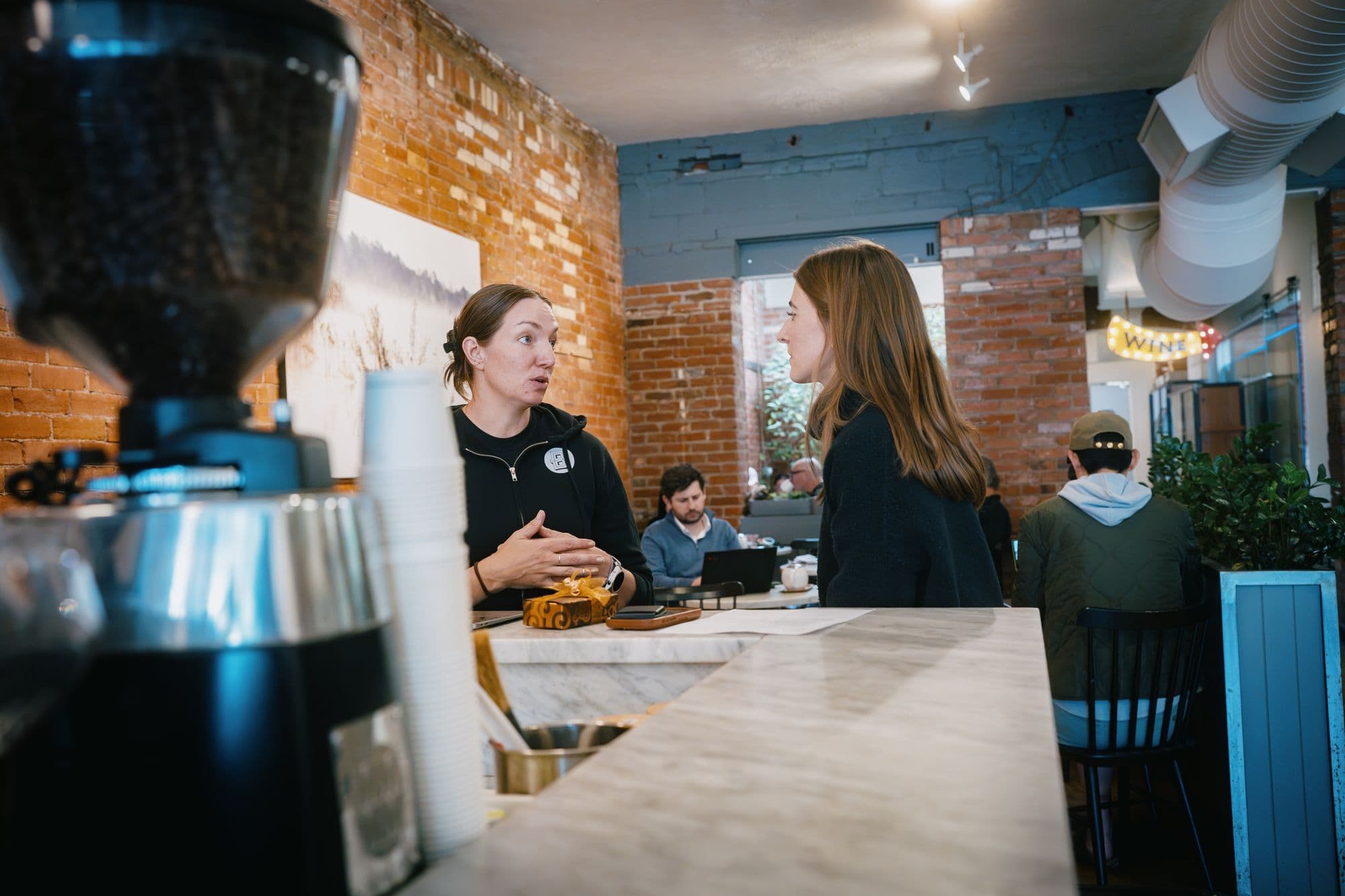
Morgan sat down with Linnea of Boxcar Coffee Roasters to talk grind, ratios, Boulder water and the small habits that make tomorrow morning’s cup better.
Washington Park Boathouse: Your Complete Guide to Boat Rentals & Lake Activities in Denver
The Washington Park Boathouse is one of Denver’s most distinctive landmarks and one of the best reasons to spend an afternoon at Wash Park beyond the 2.6-mile loop. The building itself — designed by architect Jules Jacques Benois Benedict and completed in 1913 — sits on the…

Washington Park Denver Events 2026: Your Complete Calendar From Turkey Trot to Furry Scurry
Washington Park’s event calendar reflects everything this neighborhood is: active, family-oriented, community-driven, and deeply committed to showing up for the place where people live. The events range from Denver traditions that draw nearly 10,000 participants to hyperlocal…