Washington Park Historic Home Renovation: Permits, Process & Timeline
 25 min read
Washington Park's historic homes—with their craftsman details, original hardwood floors, and period charm—attract buyers who appreciate architectural character. Many purchase with renovation plans to modernize kitchens, update bathrooms, or add space for growing families. If you're planning a washington park historic home renovation, understanding the landmark preservation process, permit requirements, and timeline expectations is essential for successful project planning.
Historic home renovations in Washington Park aren't just more expensive than standard renovations—they're fundamentally more complex, requiring navigation of Denver's Landmark Preservation Commission requirements, careful contractor selection, and extended timelines. However, with proper planning and realistic expectations, the result is a beautifully renovated home that respects historic character while meeting modern needs.
Understanding Landmark Designation in Washington Park
Before planning any renovation, you need to understand whether your property has landmark designation and what that means for your project scope.
Not All Washington Park Homes Are Officially Designated
Washington Park contains a mix of designated and non-designated historic properties:
Individual landmark designation: Specific properties with significant historic or architectural importance
Historic district designation: Certain areas within Washington Park where exterior changes require review
Non-designated historic homes: Built in the historic period (1890s-1940s) but without official designation
Landmark designation significantly affects renovation requirements, timelines, and costs. A kitchen renovation in a non-designated 1920s bungalow might take 4-6 months, while the same project in an individually designated home could take 8-12 months due to preservation review requirements.
How to Determine If Your Home Is Designated
Check these resources:
Denver Landmark Preservation website database (searchable by address)
Your property records and title documents
Contact Denver Landmark Preservation staff at (720) 865-2709
Real estate disclosures (should note designation if applicable)
This is critical research to complete BEFORE purchasing a historic home or planning renovations. The designation status fundamentally changes project requirements.
What Landmark Designation Means for Your Renovation
If your property has landmark designation, expect:
Additional Review Process:
Design Review Committee approval required for exterior changes
2-4 month timeline addition for preservation review
Specific documentation and materials requirements
Possible multiple review cycles if initial plans need modifications
Types of Work Requiring Review:
Exterior changes visible from the street (siding, windows, doors, roofing)
Additions of any size
Major interior alterations IF individually designated (not just district designation)
Demolition (rarely approved)
Fencing and landscape changes affecting street view
Types of Work NOT Requiring Review:
Interior updates in homes with only district designation (not individual)
Mechanical system upgrades (HVAC, plumbing, electrical)
Roof repairs using matching materials
Paint color changes (in most cases)
Rear yard structures not visible from the street
The Benefit: Landmark designation protects neighborhood character, maintains property values through consistent standards, and may qualify your renovation for tax incentives that offset additional costs.
To learn more about Washington Park's historic architectural styles, see our guide to historic homes in Washington Park. This article focuses specifically on the renovation process itself.
The Landmark Preservation Review Process: Step-by-Step
Understanding each phase of the preservation review process helps you plan realistic timelines and budgets.
Step 1: Pre-Application Consultation (Weeks 1-2)
What Happens: Schedule a free consultation with Denver Landmark Preservation staff before investing in detailed plans. This meeting can save months of revisions and thousands in redesign fees.
What to Bring:
Property survey showing existing structures
Photos of current conditions from all angles
Preliminary renovation ideas or sketches
Questions about materials, methods, and design approach
What You'll Learn:
Whether your plans face likely challenges
Documentation requirements for formal application
Potential issues to address in design phase
Realistic assessment of approval likelihood
Timeline: 1-2 weeks to schedule and complete
Why It's Critical: Staff can immediately tell you if your plans face significant obstacles. For example, if you're planning vinyl replacement windows on a street-facing facade, staff will explain this won't be approved—saving you from investing in detailed plans for an unapprovable project.
Step 2: Prepare Application Materials (Weeks 2-6)
Required Documentation:
Detailed architectural plans with elevations showing changes
Site survey indicating all proposed modifications
Materials specifications (samples often required)
Historic photos of property if available
Written explanation of how project maintains historic character
Professional architect or contractor signatures
Working with Design Professionals: For major projects, hiring professionals experienced with historic preservation saves time and money:
Historic preservation architect: Recommended for additions, significant exterior changes, or complex projects ($5,000-20,000+ depending on scope)
Architect familiar with Denver preservation: Can navigate local requirements effectively
Design-build firm with preservation experience: Single point of contact for design and construction
Timeline: 2-6 weeks depending on project complexity
Costs:
Architect fees: $5,000-20,000+ for full design services
Application fee: $300-1,500 depending on project type
Materials samples and documentation: $500-2,000
Step 3: Design Review Committee (Month 2-3)
The Process: Denver's Landmark Preservation Design Review Committee meets monthly (typically first Thursday) to review applications. Your project will be scheduled for a meeting after submission.
Committee Meeting:
You or your architect presents the project (5-10 minutes)
Committee members ask questions about materials, methods, and character preservation
Public comment period (neighbors can speak)
Committee deliberates and votes
Possible Outcomes:
Approved: Proceed directly to building permits (best outcome)
Approved with Modifications: Minor changes required, no re-review needed
Continued: Significant revisions needed, return to committee next month
Denied: Rarely happens if pre-consultation was completed properly
Timeline: 4-8 weeks from submission to meeting
Preparation Tips:
Practice your presentation beforehand
Bring visual aids (renderings, material samples, photos)
Be prepared to discuss why your design respects historic character
Have backup material options if committee questions primary choices
Step 4: Building Permits (Month 3-4)
After Design Review Committee approval, you can submit for standard building permits:
Standard City Review Process:
Submit building permit application to Denver Community Planning and Development
Include approved landmark preservation plans
Standard plan review (structural, electrical, plumbing, mechanical)
May require revisions unrelated to historic designation
Costs:
Building permit fees: $2,000-10,000+ depending on project scope
Plan review fees
Required inspection fees
Timeline: 3-4 weeks typical for permit approval
Step 5: Construction Phase
During Construction:
Must follow approved plans exactly
Any changes require landmark preservation amendment approval
Landmark Preservation staff may conduct site inspections
Standard building department inspections apply
Document the project with photos (helpful for future reference and resale)
Timeline Varies by Project:
Kitchen renovation: 2-4 months construction
Bathroom renovation: 1-3 months construction
Addition: 6-12 months construction
Whole-house renovation: 12-18 months construction
Total Timeline from Planning to Completion:
Simple bathroom project: 6-9 months total
Kitchen + bathroom: 9-12 months total
Addition: 12-18+ months total
The Bottom Line: Add 2-4 months to standard renovation timelines for the landmark preservation review process alone, then add construction time.
Common Washington Park Renovation Projects & Requirements
Understanding specific requirements for common project types helps with planning and budgeting.
Kitchen Renovations
Typical Scope: Kitchen renovations usually include cabinet replacement, countertop upgrades, appliance installation, plumbing and electrical updates, new flooring, and possible wall removal for open floor plans.
Landmark Considerations:
Interior work generally doesn't require landmark review unless home is individually designated
If removing walls, try to maintain historic room flow where possible
Original built-in cabinets or butler's pantries may require preservation
Windows facing the street must maintain historic appearance (can't enlarge or change configuration)
Timeline:
Non-designated home: 3-5 months
Designated home with required review: 5-8 months
Typical Costs:
Mid-range kitchen: $50,000-80,000
High-end kitchen with historic-appropriate details: $80,000-150,000+
Historic premium: 10-20% for compatible materials and careful methods
Finding Contractors: Look for contractors experienced with:
Historic home structural systems (balloon framing, plaster walls)
Plaster repair (very common in historic homes)
Working around existing character features without damage
Period-appropriate details if you want to enhance historic character
Bathroom Renovations
Typical Scope: Bathroom updates include fixture replacement, tile and flooring installation, plumbing updates, electrical upgrades, possible layout changes, and improved ventilation.
Landmark Considerations:
Interior work typically doesn't require review (unless individually designated)
Original tile, fixtures, or built-ins MAY have historic significance—assess before demolition
Window replacements require approval if visible from street
Bathroom additions (expanding footprint) require full landmark review
Timeline:
Non-designated home: 2-4 months
Designated home: 4-6 months
Typical Costs:
Mid-range bathroom: $25,000-50,000
High-end bathroom: $50,000-100,000+
Historic Home Challenges:
Small original bathrooms create space constraints
Old plumbing often requires complete replacement (galvanized pipes, outdated drainage)
Structural issues common (settling, old framing methods)
Plaster walls require careful work to avoid extensive damage
Additions: The Most Complex Review Process
Common Addition Types:
Rear additions for expanded kitchen, family room, or primary suite
Second-story additions for bedrooms or office space
Detached accessory dwelling units (ADUs) or garages
Landmark Requirements: Additions ALWAYS require Design Review Committee approval, regardless of location or size.
Design Principles for Approval: The committee evaluates additions based on "differentiated but compatible" standards:
Historic home remains primary: Addition should read as secondary element
Compatible but not matching materials: Can use contemporary materials if complementary to historic home
Setback from front facade: Addition shouldn't dominate street view
Maintain original roofline prominence: New roof elements shouldn't overwhelm historic roofline
Visibility from street matters: Rear additions not visible from street face easier approval
Timeline:
Design and approval process: 4-6 months
Construction: 6-12 months
Total: 10-18 months from concept to completion
Typical Costs:
Rear single-story addition (400-600 sq ft): $150,000-300,000
Second-story addition (600-800 sq ft): $200,000-400,000+
Historic premium: 15-30% due to complexity and preservation requirements
Most Commonly Approved:
Rear additions not visible from street using contemporary but complementary materials
Additions clearly differentiated from original structure
Projects that maintain the historic home as the visual focus
Rarely Approved:
Front additions that compete with original facade
Additions that overwhelm the historic structure in size or presence
Exact historic replications (committee requires differentiation)
Window Replacement: Handle With Care
Landmark Preservation Position: Windows are character-defining features. Original windows should be preserved and repaired whenever possible.
Approved Approaches:
Repair and restore original windows (most preferred by committee)
Cost: $800-1,500 per window
Best for historic preservation and often better energy efficiency than expected
Exact replication if beyond repair (custom wood windows matching all historic details)
Cost: $1,200-2,500 per window
Required documentation that originals cannot be repaired
Compatible alternatives (rarely approved for street-facing windows)
May be allowed for non-street-facing windows
Must match historic appearance exactly
What's NOT Approved:
Vinyl replacement windows on street-facing facades
Windows that change opening sizes or proportions
Windows that don't match historic configuration (divided lights, operating style)
Alternative Solution: High-quality storm windows over repaired original windows provide excellent energy efficiency while preserving historic character (and are generally approved without review).
Cost: $300-600 per storm window
Systems Upgrades: Generally Unrestricted
Good News: Mechanical, electrical, and plumbing system upgrades generally DON'T require landmark preservation review.
Common Upgrades:
HVAC replacement or central air conditioning addition
Electrical panel upgrade (very common need in homes built before modern electrical demands)
Complete plumbing replacement (galvanized pipe replacement)
Insulation improvements for energy efficiency
Considerations:
Route ducts and lines carefully to avoid damaging historic features (plaster, trim, flooring)
Exterior equipment placement may require review if visible from street
Preserving plaster walls when running new electrical or plumbing
Typical Costs:
Full HVAC replacement with central air: $15,000-30,000
Electrical panel upgrade: $2,000-5,000
Whole-house plumbing replacement: $10,000-25,000
These system upgrades are often necessary in historic homes and can proceed without preservation review, making them less time-intensive than other renovation types.
Finding and Vetting Historic Renovation Contractors
Contractor selection matters significantly more for historic home renovations than standard projects.
Why Historic Homes Require Specialized Contractors
Special Skills Required:
Understanding historic construction methods (balloon framing, plaster systems, original foundations)
Experience with plaster repair and preservation (not just drywall replacement)
Knowledge of period-appropriate details and materials
Ability to navigate Denver Landmark Preservation requirements
Problem-solving skills for unexpected discoveries (inevitable in 80-130 year old homes)
Warning Signs to Avoid
Red Flags:
"We'll just pull permits after we start" (NEVER acceptable and illegal)
No experience with historic homes specifically
Unfamiliar with Denver Landmark Preservation process
Suggests shortcuts that compromise historic features
Cannot provide references from other historic home projects
Unwilling to work with preservation architects
Suggests avoiding landmark review when required
What to Look For
Green Lights:
Portfolio demonstrating historic home renovation experience
References from Washington Park or similar Denver historic neighborhoods
Familiarity with Design Review Committee process and requirements
Willingness to attend preservation meetings and present work
Relationships with preservation architects and specialty subcontractors
Problem-solving approach rather than "demo and rebuild" mentality
Appropriate insurance for high-value historic properties
Questions to Ask Prospective Contractors
How many historic home renovations have you completed in Denver?
Have you worked with Denver Landmark Preservation Commission before?
Can you provide three references from historic home projects?
What's your approach when you discover unexpected structural or systems issues during demolition?
How do you handle the extended timeline and approval process requirements?
What insurance coverage do you carry for historic properties?
Do you have subcontractors experienced with plaster repair, custom millwork, and historic materials?
Where to Find Qualified Contractors
Recommended Sources:
Denver Landmark Preservation contractor referral list
Historic Denver member contractors
Washington Park neighborhood Facebook groups or Nextdoor referrals
Design-build firms specializing in historic preservation
Preservation architect recommendations
Getting Bids and Making Decisions
Bidding Process:
Get at least three detailed quotes
Expect 15-30% premium over standard renovation costs
Higher bids often reflect appropriate materials and methods rather than overcharging
Cheapest bid frequently means corners cut on historic considerations
Evaluate experience and approach as much as price
Making Your Decision: The lowest bid is rarely the best choice for historic renovations. Experience with preservation requirements, quality of past work, and problem-solving capability matter more than saving 10% on the bid.
For more guidance on finding reliable contractors, see our complete contractor vetting guide.
Timeline Expectations: Why Historic Renovations Take Longer
Understanding realistic timelines prevents frustration and helps with planning.
Comparison: Standard vs. Historic Home Renovation
Kitchen Renovation Example:
Standard Home Timeline:
Design: 1-2 months
Permits: 2-3 weeks
Construction: 2-3 months
Total: 4-6 months
Historic Designated Washington Park Home:
Design with preservation considerations: 2-3 months
Pre-application consultation: 2-3 weeks
Landmark review and approval: 2-3 months
Building permits: 3-4 weeks
Construction (more careful approach): 3-4 months
Total: 8-12 months
Why the Extended Timeline
Additional Review Layers:
Design Review Committee meets only monthly (one meeting cycle = 6-8 weeks minimum)
Revisions requiring re-review add another full month
Building permits come AFTER landmark approval (not parallel processing)
Documentation requirements take time to prepare properly
More Careful Construction:
Can't just demolish everything—must work around character features
Plaster repair requires specialized skill and drying time
Unexpected discoveries require preservation decisions and possibly amended approvals
Period-appropriate or custom materials may require special ordering (longer lead times)
Contractor Availability:
Smaller pool of truly qualified historic contractors
Experienced preservation contractors often book 2-3 months ahead
Projects may pause while waiting for preservation decisions or special materials
Planning Implications
Smart Planning Approach:
Start planning 6-12 months before desired completion date
Build 20-30% time buffer into your expectations
Don't schedule major life events (weddings, moves, holidays) around projected completion
Consider living elsewhere during major renovations if possible
Accept that delays are common and build flexibility into your timeline
Common Unexpected Delays
Surprises in Historic Homes:
Structural issues discovered during demolition (settling, previous amateur repairs)
Complete electrical or plumbing system replacement needed (not just updates)
Lead paint abatement required ($8,000-15,000, adds 1-2 weeks)
Asbestos remediation needed ($3,000-10,000, adds 1-2 weeks)
Hidden water damage or rot requiring repair before proceeding
Original features worth preserving discovered unexpectedly (requires preservation decisions)
The Upside of Extended Process
While longer timelines can be frustrating, the preservation review process ensures:
Your renovation respects and enhances historic character
Neighborhood consistency maintained (protecting everyone's property values)
You avoid irreversible shortcuts that diminish your home's value and character
Your investment protected through thoughtful preservation standards
Cost Considerations: The Historic Home Premium
Budget planning for historic renovations requires understanding why costs run higher than standard projects.
Why Historic Renovations Cost More
Materials:
Custom wood windows vs. stock vinyl: $1,000+ difference per window
Period-appropriate hardware and fixtures command premium prices
Matching historic materials (specific brick, stone, or siding types) have limited availability
Custom millwork for historically accurate trim details
Labor:
Specialized skills command higher rates ($80-120/hour vs. $60-80/hour for standard work)
More careful demolition to preserve important features takes additional time
Plaster repair expertise harder to find and more expensive than drywall work
Working around existing features rather than removing them requires more labor hours
Professional Fees:
Preservation architect: $5,000-20,000+ depending on project scope
Structural engineer familiar with historic construction: $2,000-5,000
Landmark preservation application fees: $300-1,500
Additional design time for preservation-appropriate solutions
Unexpected Discoveries: Historic homes ALWAYS contain surprises. Budget accordingly:
Hidden structural issues (common after 80-130 years)
Outdated or dangerous electrical systems requiring complete replacement
Lead paint abatement: $8,000-15,000+ for whole-house work
Asbestos remediation: $3,000-10,000+
Old plumbing failures discovered during renovation
Budget Planning Guidelines
Rule of Thumb: Add 15-30% to standard renovation cost estimates when planning historic home projects.
Example Cost Comparisons:
Kitchen Renovation:
Standard home: $50,000-80,000
Historic home: $65,000-110,000
Bathroom Renovation:
Standard home: $25,000-40,000
Historic home: $32,000-55,000
500 Square Foot Addition:
Standard home: $150,000-200,000
Historic home: $180,000-260,000
Contingency Budget: Set aside 15-20% contingency for unexpected discoveries (higher than the standard 10% for new construction or standard renovations).
Where to Invest for Best Results
Worth the Premium:
Custom wood windows (essential for approval and long-term value)
Skilled plaster repair (maintains historic character)
Period-appropriate fixtures and hardware (enhances character and value)
Experienced contractor with proven historic renovation track record
Where You Can Save:
Interior finishes not visible from street (contemporary materials often acceptable)
Modern HVAC and systems for efficiency (hidden from view)
Contemporary additions can sometimes cost less than exact replicas (and are actually preferred by committee)
Financing Considerations
Options for Historic Renovations:
Home equity loan or line of credit (if you own the property)
FHA 203(k) renovation loan (purchase + renovation financing)
Conventional renovation loan products
Cash reserves (ideal if available)
Lender Considerations: Some lenders hesitate with extensive historic renovations due to timeline uncertainty. Working with lenders familiar with Denver's historic properties can ease the financing process.
For more on protecting your property value through proper maintenance and renovation, see our complete preservation strategy guide.
Tax Benefits and Incentives for Historic Preservation
The additional costs of historic renovation can be partially offset through various tax incentive programs.
Federal Historic Preservation Tax Credits
Income-Producing Properties:
20% federal tax credit for substantial rehabilitation
Property must be listed on National Register of Historic Places (many Washington Park homes qualify)
Rehabilitation must meet Secretary of the Interior's Standards for Rehabilitation
"Substantial rehabilitation" defined as expenses exceeding $5,000 or adjusted basis of property
Residential Properties: Federal tax credits primarily apply to income-producing properties. Consult a tax advisor about potential deductions for home office or rental portions of your property.
Colorado State Historic Preservation Tax Credit
State-Level Incentives:
State tax credit available for qualifying historic rehabilitation projects
Can be combined with federal credits for income-producing properties
Specific eligibility requirements and application process
Contact History Colorado for current program details
Denver Property Tax Considerations
Potential Relief:
Denver may offer property tax relief for designated historic homes undergoing approved renovations
Varies based on improvement type and designation level
Requires application and approval through Denver Landmark Preservation
Can help offset increased property valuation from improvements
How to Qualify for Tax Benefits
Key Requirements:
Work with preservation architect familiar with tax credit process and documentation requirements
Document entire project meticulously with photos and receipts
Follow approved plans exactly (no deviations without amendments)
Submit all required paperwork within specified timeframes
Meet Secretary of the Interior's Standards for Rehabilitation
Is It Worth Investigating? For major renovations exceeding $100,000, tax benefits can offset 10-20% of costs over time. Worth investigating early in the planning process with your preservation architect and tax advisor.
Project Management: Coordinating Your Historic Renovation
Historic renovations present project management complexity beyond standard construction projects.
The Coordination Challenge
You're coordinating multiple complex layers simultaneously:
Standard renovation coordination (contractors, timeline, budget)
PLUS: Landmark Preservation process and changing requirements
PLUS: Historic-appropriate materials and methods
PLUS: Unexpected discoveries requiring preservation decisions
PLUS: Extended 12-18 month timeline requiring sustained oversight
What You're Managing:
Preservation architect or design professional
General contractor with historic renovation experience
Specialized subcontractors (plaster repair, custom millwork, window restoration)
Denver Landmark Preservation staff and Design Review Committee
Denver building department and inspectors
Potentially: structural engineer, environmental remediation contractors
Timeline stretching 12-18+ months with multiple decision points
Time Investment for DIY Project Management
Realistic Time Calculation:
Initial planning, design, and architect coordination: 40-60 hours
Contractor research, vetting, and bidding: 20-30 hours
Landmark review process attendance and coordination: 20-40 hours
Weekly construction oversight and contractor coordination: 3-5 hours/week × 20-50 weeks = 60-250 hours
Problem-solving, decisions, and change orders: 30-50 hours
Total: 170-430 hours over 12-18 months
Opportunity Cost: At $300/hour: $51,000-129,000 in opportunity cost
At $500/hour (senior executive): $85,000-215,000 in opportunity cost
The Stress Factor
Beyond Time:
Living through extended renovation (months of construction noise, dust, disruption)
Preservation committee uncertainty (will they approve your plans?)
Unexpected discoveries requiring quick decisions (structural issues found during demo)
Managing multiple specialized contractors across long timeline
Keeping project on track when delays cascade
Making preservation-appropriate decisions without deep expertise
Budget management when surprises add costs
When Professional Project Management Makes Sense
You Should Consider Professional Coordination If:
Your time is worth $200+/hour (opportunity cost exceeds service cost)
You work full-time and can't attend weekday meetings or oversee contractor work
You don't have renovation, construction, or project management experience
You want to minimize stress during a major life event
You're not living locally during the renovation
You value expertise in historic preservation requirements
You're managing other major life or work commitments simultaneously
What Professional Project Management Includes:
Preservation architect and qualified contractor sourcing
Complete landmark review process management and presentation
Design Review Committee meeting attendance and representation
Contractor coordination, scheduling, and oversight
Budget tracking, payment management, and change order negotiation
Problem-solving and decision support when issues arise
Quality control throughout the entire project
Timeline management and milestone tracking
Single point of contact for everything
Documentation for resale and future reference
Typical Costs:
Professional project management: 10-15% of construction budget
For $150,000 renovation: $15,000-22,500
For $250,000 renovation: $25,000-37,500
The ROI Calculation:
DIY opportunity cost: $51,000-129,000
Professional coordination: $15,000-37,500
Net benefit: $13,500-106,500 savings + hundreds of hours reclaimed + reduced stress + better outcomes
The Value Proposition:
Professional coordination delivers:
Expertise in navigating landmark preservation process
Contractor management without consuming your life
Knowledge and experience when unexpected discoveries arise
Quality control throughout lengthy project
Single point of responsibility for all coordination
Peace of mind to work, travel, and live your life during renovation
For busy professionals and executives, the question isn't whether you can afford professional project management—it's whether you can afford NOT to use it given the opportunity cost and stress reduction.
Real Renovation Stories: Washington Park Historic Home Projects
Learning from others' experiences helps set realistic expectations.
Scenario 1: The Kitchen + Bathroom Renovation
The Homeowners: Sarah and Mike purchased a 1920 Craftsman bungalow in Washington Park with plans to renovate the dated 1970s kitchen and add a primary bathroom suite.
Initial Timeline Expectation: 6 months
Actual Timeline: 11 months
What Happened:
Month 1-2: Design development with preservation architect. Initial plans called for complete kitchen redesign.
Month 3: Pre-application consultation revealed the original built-in cabinets and butler's pantry were character-defining features requiring preservation.
Month 4-5: Revised plans to preserve and restore built-ins while modernizing workspace areas. Added custom cabinetry complementing original style.
Month 6: Design Review Committee approval with minor modifications to window treatment.
Month 7: Building permits approved.
Month 8-11: Construction phase
Unexpected discovery: Structural issues in kitchen floor required sister joists ($4,500 additional cost)
Unexpected discovery: Lead paint abatement required ($12,000 additional cost, 2-week delay)
Added buffer time for careful plaster repair throughout
Final Budget:
Initial: $85,000
Actual: $103,500 (unexpected issues + lead abatement)
Lessons Learned:
Pre-application consultation saved months by catching built-in cabinet issue early
20% contingency budget was barely adequate
Professional project manager worth the investment (handled all preservation meetings, contractor coordination)
Extended timeline meant living with in-laws (should have planned temporary housing)
Final Outcome: Beautiful kitchen respecting historic character while fully functional for modern needs. Home value increased by $120,000 according to appraisal. Zero regrets despite challenges and extended timeline.
Scenario 2: The Rear Addition
The Homeowners: The Chen family needed more space for three growing children in their 1910 Foursquare. Planned 500 square foot single-story rear addition for family room and expanded kitchen.
Initial Timeline Expectation: 9 months
Actual Timeline: 14 months
The Process:
Worked with preservation architect from project start (learned from neighbors' experiences). Design process took longer than expected—three different versions before finding approach that satisfied both family needs and preservation requirements.
Design Review Committee approved on first presentation (rare accomplishment attributed to architect expertise).
Construction started smoothly but discovered significant structural issues requiring additional foundation work not anticipated in original plans.
Winter weather delayed exterior work by 6 weeks (November-December construction pause).
Costs:
Initial budget: $180,000
Final cost: $215,000 (unexpected structural + weather delays)
Lessons Learned:
Preservation architect essential for addition approval (worth every penny of $14,000 fee)
Historic premium worth it—addition looks like it belongs (neighbors complimented integration)
Weather buffer needed for exterior work in Colorado
Living through construction with three kids challenging but manageable with good contractor
Final Outcome: Addition approved on first review (unusual), beautiful result that respects historic home while providing needed modern space. Family able to stay in beloved neighborhood instead of moving to larger home in suburbs.
Frequently Asked Questions
How do I know if my Washington Park home has landmark designation?
Check the Denver Landmark Preservation website database (searchable by address), review your property records and title documents, or contact Landmark Preservation staff directly at (720) 865-2709. Real estate disclosures should note landmark designation if applicable. Not all historic homes in Washington Park are designated—designation applies to specific individual properties and certain historic district areas.
Can I renovate my kitchen without landmark approval?
Interior renovations in homes with only historic district designation (not individual landmark designation) typically don't require landmark approval. However, if your home is individually designated, even interior work in significant spaces may require review. The free pre-application consultation clarifies requirements for your specific property.
Why do window replacements need approval?
Windows are considered character-defining features of historic homes. Changes visible from the street impact the overall historic district character. Denver Landmark Preservation strongly prefers repair of original windows, which are often more durable and energy-efficient than modern replacements when properly maintained. If replacement is absolutely necessary, exact replication or carefully evaluated compatible alternatives require approval.
How much longer does a historic home renovation take compared to standard homes?
Add 2-4 months minimum for the landmark review process. A kitchen renovation taking 4-6 months in a standard home will take 8-12 months in a designated historic home. Major projects like additions can add 3-6 months to standard timelines. The extended process ensures renovations respect historic character and meet preservation standards that protect neighborhood property values.
Are historic home renovations worth the extra cost and time?
For most Washington Park homeowners, absolutely. The historic character that attracted you to the neighborhood is preserved through this process. Property values in designated historic districts typically appreciate faster than comparable non-historic areas. The process ensures your renovation enhances rather than diminishes your home's character, value, and neighborhood context. Available tax incentives can offset some additional costs for qualifying projects.
Can I hire any contractor for a historic home renovation?
While technically yes, hiring contractors experienced with historic properties and preservation requirements saves significant time, money, and frustration. Contractors unfamiliar with landmark preservation may underestimate costs and timelines, suggest inappropriate materials or methods that won't be approved, struggle with committee requirements causing delays, damage historic features during demolition, or create approval complications through inexperience. Experienced historic contractors cost more hourly but typically deliver better results with fewer expensive surprises.
Do I need to hire a preservation architect?
Not legally required, but highly recommended for additions of any size, significant exterior changes, projects where you want approval on first committee presentation, and complex renovations involving multiple character-defining features. For simple interior projects like bathroom updates or kitchen renovations (in non-individually designated homes), a preservation architect may not be necessary. The pre-application consultation helps determine if professional preservation design help is advisable for your specific project.
Planning Your Washington Park Historic Home Renovation
Renovating a historic home in Washington Park requires patience, careful planning, and understanding of Denver's landmark preservation requirements. The process adds 2-4 months to standard renovation timelines and typically costs 15-30% more than comparable work in non-designated homes. However, the result—a beautifully renovated home respecting historic character while meeting modern needs—makes the investment worthwhile for homeowners who value the neighborhood's architectural heritage.
Key Takeaways
Start with pre-application consultation (free and can save months of revisions)
Budget 15-30% above standard renovation costs for historic-appropriate materials and methods
Add 2-4 months for landmark review process to your timeline expectations
Hire contractors with proven historic home experience (not just general remodeling experience)
Consider preservation architect for major projects (essential for additions, helpful for complex work)
Plan for unexpected discoveries (set aside 15-20% contingency budget)
Professional project management often pays for itself through time savings, expertise, and better outcomes
The Bottom Line
Historic home renovation represents complex project management requiring coordination across preservation requirements, contractor oversight, timeline management, and budget control over 12-18 months. For busy professionals and executives, professional coordination services often deliver superior outcomes while reclaiming hundreds of hours and significantly reducing stress during a major life event.
Explore Washington Park Living
Learn About Professional Project Management
At Willow, we specialize in managing complex historic renovation projects for Washington Park homeowners. Our experience with Denver's landmark preservation requirements, established networks of qualified historic renovation contractors, and comprehensive project coordination expertise ensure your renovation stays on track, on budget, and respects the architectural character that makes your home special. Contact us to discuss your historic renovation project.
Based on current Denver Landmark Preservation Commission requirements and typical historic renovation timelines. Individual projects vary based on scope, designation status, and specific property characteristics. For personalized guidance, consult with Denver Landmark Preservation staff and qualified preservation professionals.
Frequently asked questions
The questions owners ask us most about this topic.
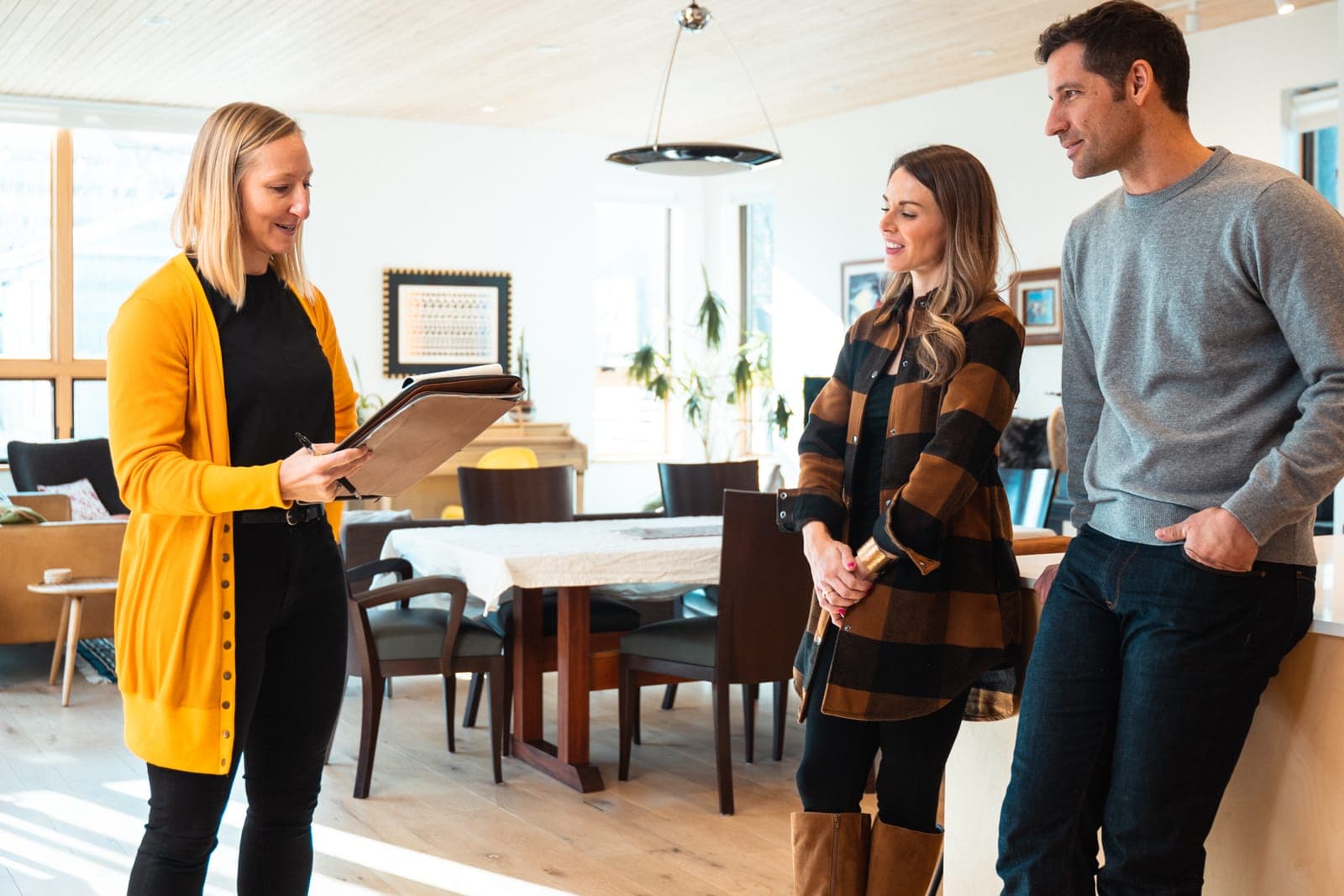
Historic Home Restoration in Boulder: Preservation Requirements, Costs & How to Modernize Without Losing Character
This guide walks through the entire restoration process: what makes a home “historic” in Boulder, the approval process you’ll navigate, what projects actually cost, the tax credits that offset those costs, how to find contractors who know what they’re doing, and how to modernize…
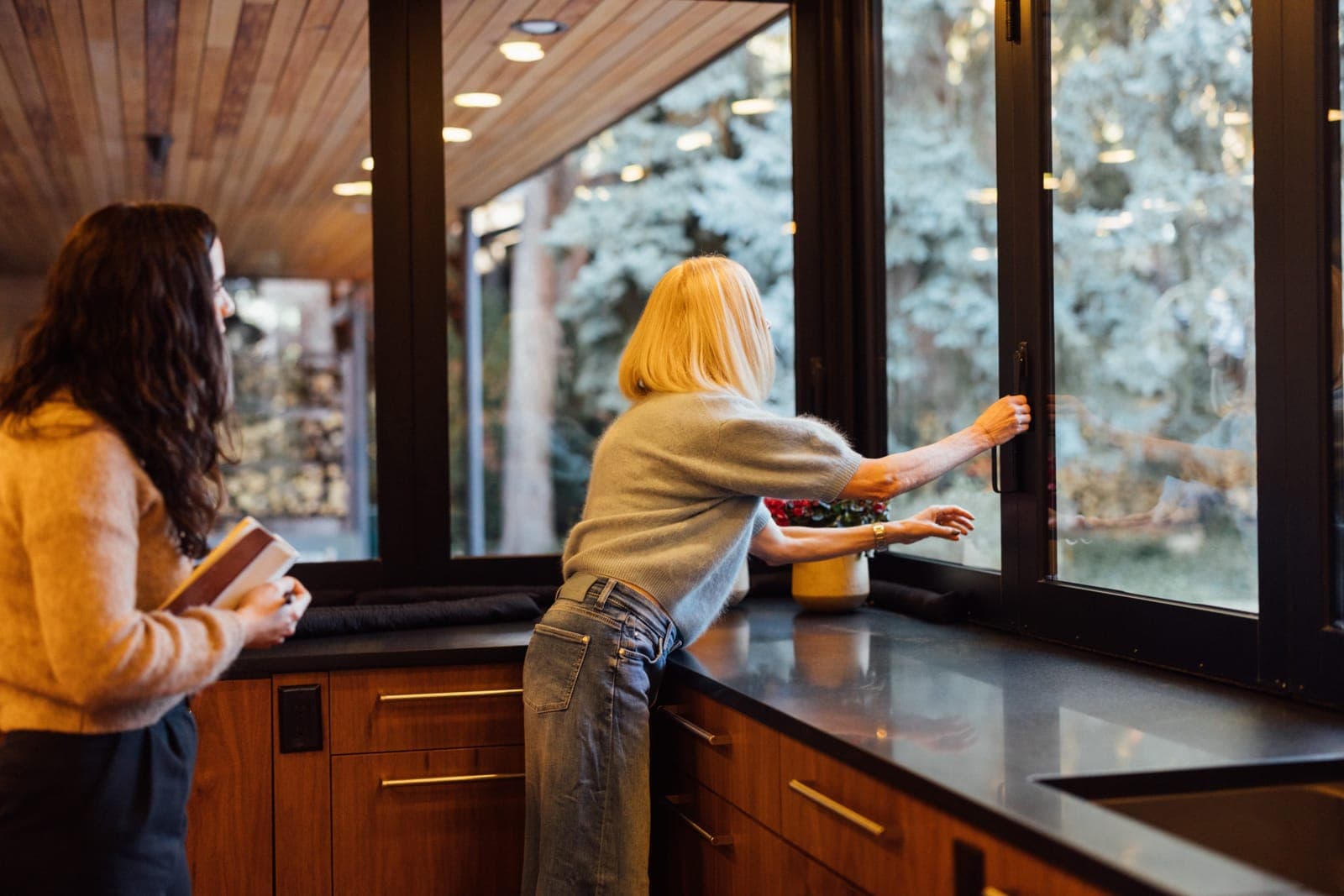
Boulder Luxury Kitchen Maintenance: High-End Appliance Care, Countertop Protection & What It Costs
This guide covers the maintenance schedule, costs, and Boulder-specific considerations for every component of a luxury kitchen — organized so you can find what you need quickly and schedule what you need to schedule.
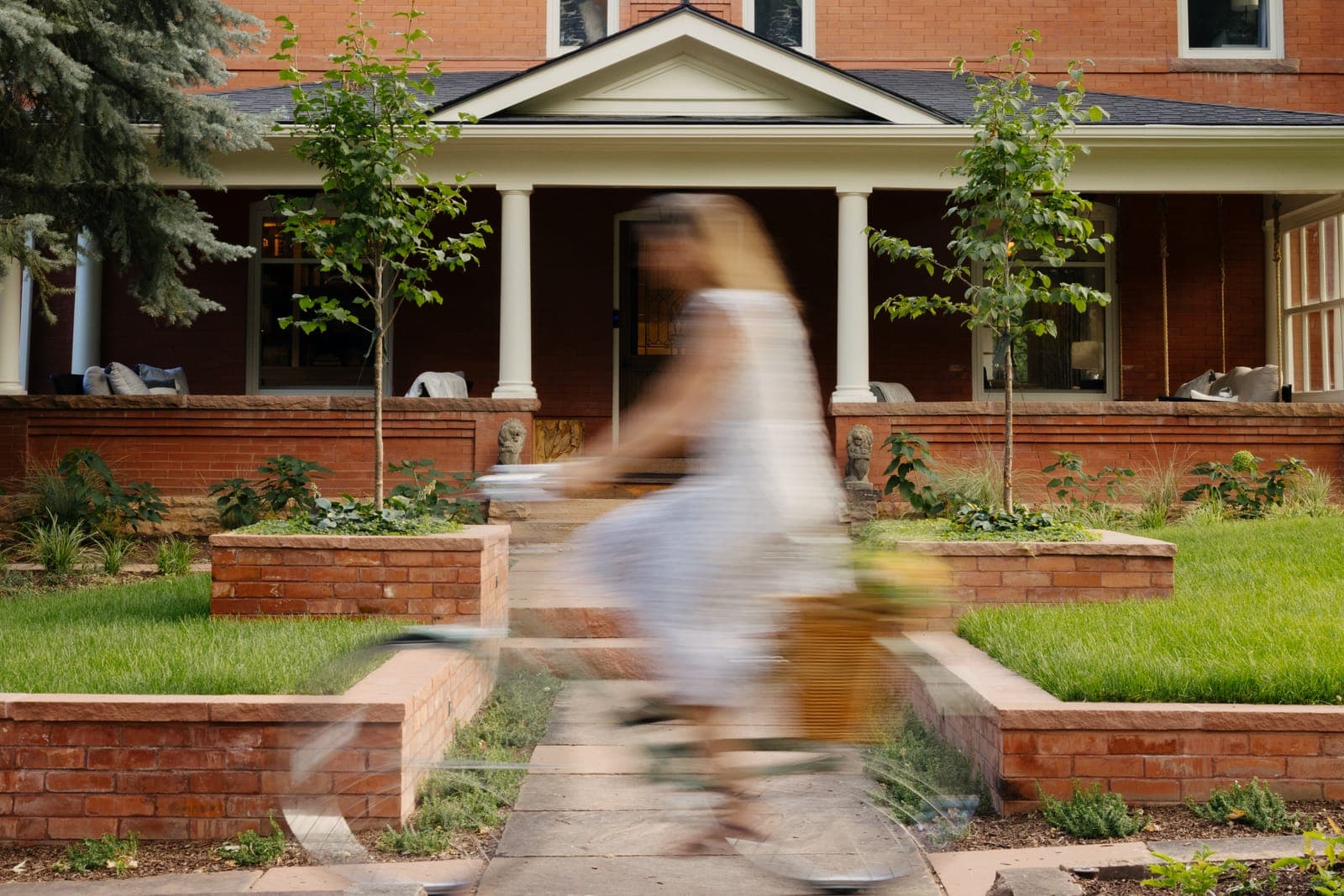
Heated Driveway Maintenance: Annual Costs, Seasonal Care & Troubleshooting
In Colorado, where heated driveways work harder than in most climates — more freeze-thaw cycles, longer cold seasons, and the altitude factor that affects boiler efficiency — the maintenance is both more important and more specific than what generic national guides cover. This…