Luxury Home Systems Guide: Installation, Maintenance & Long-Term Costs
 12 min read
A luxury home isn't defined by square footage alone. What truly separates a $2 million property from a $500,000 one often comes down to the sophisticated systems running behind the walls—climate control that maintains perfect comfort in every room, backup power that keeps everything running during outages, elevators that provide accessibility for decades, and smart technology that anticipates your needs before you realize them.
For homeowners in Colorado's Front Range—from Boulder's mountain estates to Cherry Creek's urban luxury—these systems aren't optional amenities. They're standard expectations that come with significant installation costs, ongoing maintenance requirements, and long-term ownership considerations that many buyers don't fully understand until they're already managing a complex property.
This guide breaks down the essential systems that define luxury homes, what they cost to install and maintain, and how to protect your investment over time. Whether you're researching upgrades for your current home or evaluating what you're inheriting with a new purchase, understanding these systems is critical to successful luxury homeownership. And if these upgrades are part of a broader remodel, see how much a full home renovation costs in Colorado.
What Systems Separate Luxury Homes from Standard Properties?
In Colorado's luxury market—typically properties starting at $1.5 million to $2 million—buyers expect integrated systems that deliver comfort, convenience, and efficiency that standard homes simply can't match. These aren't just upgraded appliances or premium finishes; they're interconnected building systems that require specialized installation, regular professional maintenance, and coordinated management.
The five system categories that define luxury homes include:
Advanced Climate Control: Radiant floor heating, zoned HVAC systems, and whole-house humidity management that maintain precise comfort regardless of Colorado's extreme temperature swings
Power Infrastructure: Whole-house generators and battery backup systems that protect against outages—particularly critical for mountain properties where power can be out for days
Vertical Transportation: Residential elevators that provide accessibility and aging-in-place capability while adding measurable property value
Smart Home Integration: Professional-grade automation systems that unify lighting, climate, security, and entertainment under intelligent control
Water & Filtration: Whole-house water treatment, instant hot water recirculation, and specialized filtration for Colorado's mineral-heavy water supply
What many luxury homebuyers don't realize is the hidden complexity these systems create. A standard home might require relationships with 3–5 service providers: an HVAC technician, plumber, electrician, landscaper, and general handyman. A luxury home with sophisticated systems requires 10–15+ specialized vendors, from elevator technicians to home automation programmers to generator specialists. Managing this complexity—and the $15,000 to $50,000+ in annual maintenance costs—is the true hidden cost of luxury homeownership.
Advanced Climate Control: The Foundation of Luxury Comfort
Colorado's climate presents unique challenges: extreme dryness (often 5–15% humidity in winter), intense UV exposure at altitude, dramatic temperature swings, and the need for both heating and cooling systems that perform efficiently at 5,000+ feet elevation. Luxury homes address these challenges with climate systems that go far beyond standard forced-air HVAC.
Radiant Floor Heating
Radiant floor heating has become the gold standard for luxury homes in Colorado, particularly in mountain properties where walking on warm floors during frigid winters transforms daily comfort. Unlike forced-air systems that blow hot air (and dust) around rooms, hydronic radiant systems circulate warm water through tubing beneath floors, delivering consistent, draft-free heat that rises naturally through living spaces.
Installation costs range from $10 to $20 per square foot, meaning a typical 4,000-square-foot luxury home might invest $40,000 to $80,000 for whole-house radiant heating. Hydronic systems (water-based) cost more upfront but deliver significantly better efficiency than electric radiant options—typically 10–30% more efficient than forced-air alternatives.
Maintenance requirements include annual boiler service ($200–$400), glycol replacement every 3–5 years, and periodic system balancing to ensure even heat distribution. For detailed cost breakdowns and maintenance schedules, see our complete Radiant Floor Heating Cost Guide.
Zoned HVAC & Mini Split Systems
Luxury homes demand room-by-room temperature control that standard central HVAC can't deliver. Zoned systems and ductless mini splits allow precise climate management—keeping the wine cellar at 55°F while the home office stays at 72°F and the master bedroom drops to 65°F for optimal sleep.
Mini split heat pumps have become increasingly popular in Colorado for their remarkable efficiency. Modern units deliver 300–400% efficiency, meaning for every 1 kWh of electricity consumed, they deliver 3–4 kWh of heating or cooling. Installation typically runs $3,000 to $15,000 per zone depending on complexity and accessibility.
Colorado altitude consideration: Heat pump performance ratings are typically measured at sea level. At 5,000+ feet elevation, some units experience derating of 5–10%. Selecting equipment specifically rated for altitude—or oversizing appropriately—is essential for optimal performance. Learn more in our Mini Split Heat Pumps for Colorado Living guide.
Whole-House Humidity Control
Colorado's extreme dryness—often dropping to single-digit humidity percentages in winter—creates serious problems for luxury homes: hardwood floors gap and crack, fine art and antiques deteriorate, musical instruments go out of tune, and occupants suffer from dry skin, nosebleeds, and increased illness susceptibility.
Whole-house humidification systems integrate with your HVAC to maintain optimal 35–45% humidity throughout the home. Steam humidifiers ($2,500–$3,500 installed) offer the most precise control for luxury applications, while bypass humidifiers ($1,500–$2,000 installed) provide cost-effective solutions for moderate needs. Annual maintenance includes filter and water panel replacement, typically running $100–$200 in parts plus service call fees.
For Colorado homeowners, whole-house humidification isn't a luxury—it's essential protection for your home and health. See our detailed Benefits of a Whole House Humidifier guide.
Power Infrastructure: Keeping Luxury Homes Running
Modern luxury homes depend entirely on reliable power. Security systems, sump pumps, refrigeration, medical equipment, home offices, and climate control all require uninterrupted electricity. For mountain properties in particular—where winter storms can knock out power for days—backup power systems aren't optional; they're essential infrastructure.
Whole-House Generators
Standby generators automatically detect power outages and restore electricity within seconds—typically 10–30 seconds depending on the system. For luxury homes, proper sizing is critical: a 22kW generator provides minimum coverage for most properties, while larger estates or homes requiring full-house backup during extended outages may need 48kW or larger units.
Installation costs range from $15,000 to $45,000+ including the generator unit, automatic transfer switch, concrete pad, and fuel line connection. Natural gas is preferred where available for unlimited runtime; propane serves mountain homes without gas service but requires tank sizing for expected outage duration.
Maintenance includes weekly automatic self-tests (programmed into the unit), annual professional service ($300–$600), and component replacement as needed. Well-maintained generators typically last 15–20 years, though units in mountain environments with frequent cycling may have shorter lifespans. For complete cost analysis and sizing guidance, see our Whole House Generator Cost Guide.
Battery Backup & Solar Integration
Battery systems like Tesla Powerwall and Generac PWRcell have emerged as supplements to—or in some cases replacements for—traditional generators. These units store electricity from the grid or solar panels, providing silent backup power without the noise and maintenance of combustion generators.
Installation runs $10,000–$20,000 per battery unit, with most luxury homes requiring 2–4 units for meaningful backup capacity. Battery systems excel at short-term outages (4–12 hours), solar integration for daily energy arbitrage, and peak demand shaving to reduce utility costs. However, they're not ideal for extended multi-day outages common in mountain areas—generators remain the preferred solution for serious backup needs.
Residential Elevators: Accessibility Meets Luxury
The residential elevator market is growing 5–7% annually as aging homeowners prioritize accessibility and multi-generational living becomes more common. For luxury homes—particularly multi-story properties in markets like Cherry Creek, Washington Park, and Boulder's mountain communities—elevators have transitioned from rare amenities to expected features.
Four main elevator types serve residential applications:
Hydraulic elevators: Traditional technology with smooth rides; requires machine room and pit
Traction elevators: Commercial-style systems offering higher speeds and multiple stops
Pneumatic (vacuum) elevators: Self-supporting tubes requiring no shaft construction; ideal for retrofits
Cable drum elevators: Cost-effective option for two-stop applications
Installation costs range from $30,000 to $100,000+ depending on elevator type, number of stops, cab customization, and whether the installation is new construction or retrofit. Operating costs run $300–$600 annually in electricity, while maintenance contracts typically cost $200–$500 per year. Colorado requires annual inspections by the Division of Conveyances, and all residential elevators must include emergency phone or intercom systems.
Planning Ahead: Elevator Shafts
Many luxury buyers install elevator shafts during new construction even if they don't immediately install the cab. Adding a shaft during construction costs $10,000–$20,000; retrofitting a shaft into an existing home costs $50,000 or more. If there's any possibility you'll want an elevator in the future, building the shaft now is dramatically more cost-effective.
From an investment perspective, residential elevators typically add 3–5% to property value while providing essential aging-in-place functionality. For detailed analysis of costs, types, and ROI, see our Residential Elevator Cost Guide.
Smart Home Technology: The Brain of Modern Luxury
Smart home technology in luxury applications goes far beyond voice-controlled lights and smart thermostats. Professional-grade home automation systems integrate every aspect of the home—lighting, climate, security, audio/video, motorized shades, irrigation, pool systems, and more—into unified, intelligent control.
Integrated Home Automation
Luxury automation platforms like Control4, Savant, and Crestron differ fundamentally from consumer-grade systems like Google Home or Amazon Alexa. While consumer systems offer convenience features, professional platforms provide:
Unified control: Every system in the home—regardless of manufacturer—operates through a single interface
Scene programming: "Good morning" activates shades, adjusts lighting, sets climate, plays music, and disarms security in one tap
Robust reliability: Wired backbone infrastructure that doesn't depend on WiFi or cloud services
Professional support: Dealer network for programming, updates, and troubleshooting
Installation costs for whole-house systems range from $50,000 to $250,000+ depending on complexity, number of zones, and integration depth. Ongoing costs include programming updates as needs change, annual license or service fees ($500–$2,000), and integration maintenance as new devices are added. Critical insight: these systems are not DIY-friendly. Professional programming is required for installation and most changes.
AI & Predictive Home Management
The next frontier in luxury home technology involves artificial intelligence that learns occupant patterns and optimizes home operation automatically. Emerging capabilities include:
Predictive climate: Systems that learn when you wake, when you're home, and adjust climate proactively rather than reactively
Predictive maintenance: Sensors that detect failing equipment before breakdown—alerting to a struggling compressor before it fails during a heat wave
Intelligent security: AI-powered cameras that distinguish family members from strangers, reducing false alarms while improving actual security
Energy optimization: Systems that analyze utility rates, solar production, and battery storage to minimize energy costs automatically
Future-proofing for these capabilities requires robust network infrastructure—Cat6a or fiber wiring throughout the home provides the backbone for whatever technology emerges. Explore the current state of AI in home management in our Smart Home AI Guide.
The Hidden Cost of Luxury: System Maintenance Requirements
Here's the reality many luxury homebuyers don't fully appreciate until they're managing a complex property: these sophisticated systems require 3–5 times the maintenance investment of standard homes, and coordinating that maintenance becomes a significant time commitment. Many owners formalize this into a structured program—see what a home maintenance plan covers and how it works.
While a standard home might require relationships with an HVAC technician, plumber, electrician, landscaper, and general handyman, a fully-appointed luxury home needs specialists for boiler/radiant systems, generator service, elevator inspection and maintenance, home automation programming, pool and spa service, irrigation systems, and often more. The average luxury homeowner manages 15+ vendor relationships.
Annual Maintenance Costs by System
Total annual maintenance for a fully-equipped luxury home: $15,000–$50,000+ depending on systems installed, home size, and local labor rates. Neglecting this maintenance doesn't just affect comfort—it can cost 10–20% of home value through deferred maintenance damage. For comprehensive maintenance planning, see our Tips for Maintaining Your Luxury Home.
Which Luxury Systems Add the Most Value?
Not all luxury home systems deliver equal return on investment. When evaluating upgrades—or assessing what systems justify premium maintenance investment—understanding ROI helps prioritize resources. If you're adding these systems as part of a larger project, our guide to luxury home renovation in Colorado covers budgeting and sequencing high-end remodels.
High ROI Systems (80–100%+ return):
Whole-house generators: Essential for mountain properties; increasingly expected in all luxury markets
Smart home pre-wiring: Structured wiring infrastructure costs little during construction but enables future technology
Radiant heating in cold climates: Particularly strong ROI in mountain communities where it's expected
Moderate ROI Systems (50–80% return):
Residential elevators: 3–5% property value increase plus invaluable aging-in-place functionality
Zoned HVAC systems: Energy savings compound over time; comfort improvement is immediately noticeable
Whole-house water filtration: Protects appliances and plumbing; particularly valuable with Colorado's hard water
Lower ROI but Expected (30–50% return):
High-end smart home systems: Control4/Savant systems are expected at top tier but don't fully recover costs at resale
Custom pool features: Infinity edges and elaborate water features add luxury appeal but limited resale value
Market-specific considerations: In Boulder and Denver's mountain-adjacent markets, solar and EV charging add premium value. Mountain homes absolutely require generators, radiant heat, and fire suppression systems. Urban luxury markets like Cherry Creek and Washington Park expect elevators, wine storage, and home theater systems at the top tier. For detailed analysis of how maintenance protects property value, see our Property Value Protection Through Maintenance guide.
Managing Your Luxury Home Systems
Modern luxury homes are as complex as small commercial buildings. The systems that deliver exceptional comfort, convenience, and efficiency also create significant management burden. Coordinating 15+ vendors, tracking maintenance schedules across a dozen different systems, and ensuring nothing falls through the cracks can consume 10–20 hours monthly for actively maintained luxury properties.
Homeowners generally have two paths forward. Those with the time, interest, and organizational skills can manage their systems directly—maintaining vendor relationships, scheduling service calls, tracking warranties, and ensuring nothing is neglected. This requires genuine commitment but provides complete control over your property.
For busy professionals, frequent travelers, or those who simply prefer to spend their time on other priorities, professional home management provides an alternative. A home concierge service coordinates all system maintenance through a single point of contact—managing vendor relationships, scheduling service, tracking warranties, and ensuring your luxury investment receives the care it requires. For a Denver-specific breakdown, see our guide to luxury home management in Denver, including what it costs and what's included.
Whichever path you choose, understanding what your systems require is the essential first step. The guides linked throughout this article provide detailed information on each major system category. For personalized guidance on managing your specific property, explore our Executive Home Management services or review our 5 Signs You Need Professional Home Management to assess whether professional support makes sense for your situation.
Related Resources
System-Specific Guides:
Maintenance & Management:
Frequently asked questions
The questions owners ask us most about this topic.
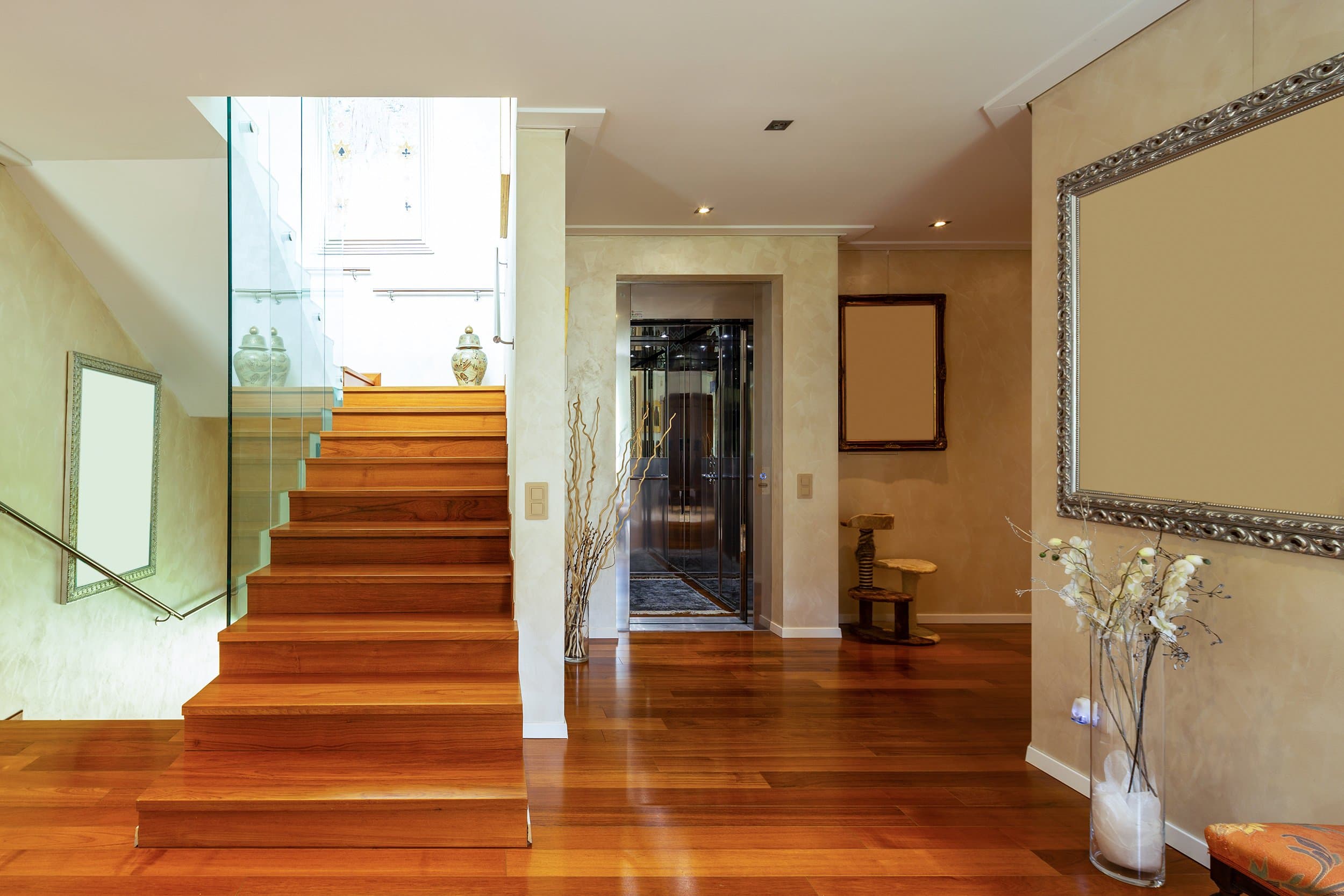
Home Elevator Cost: Residential Elevator Pricing in Colorado (2026)
Installing a home elevator isn't just about moving between floors—it's about future-proofing your most valuable asset that adapts to life's changing needs. Whether you're planning for multigenerational living, addressing current mobility requirements, or adding that unmistakable…

Most Expensive Home Repairs
Being hit with an unexpected home repair can be an extremely stressful and financially gut-wrenching experience. The good news is that with a little planning and proactive home maintenance, homeowners can lessen the pain by identifying critical issues and resolving them quickly,…

Historic Home Restoration in Boulder: Preservation Requirements, Costs & How to Modernize Without Losing Character
This guide walks through the entire restoration process: what makes a home “historic” in Boulder, the approval process you’ll navigate, what projects actually cost, the tax credits that offset those costs, how to find contractors who know what they’re doing, and how to modernize…