
Boulder vs Denver for Luxury Homeowners: Lifestyle, Costs & Community Comparison
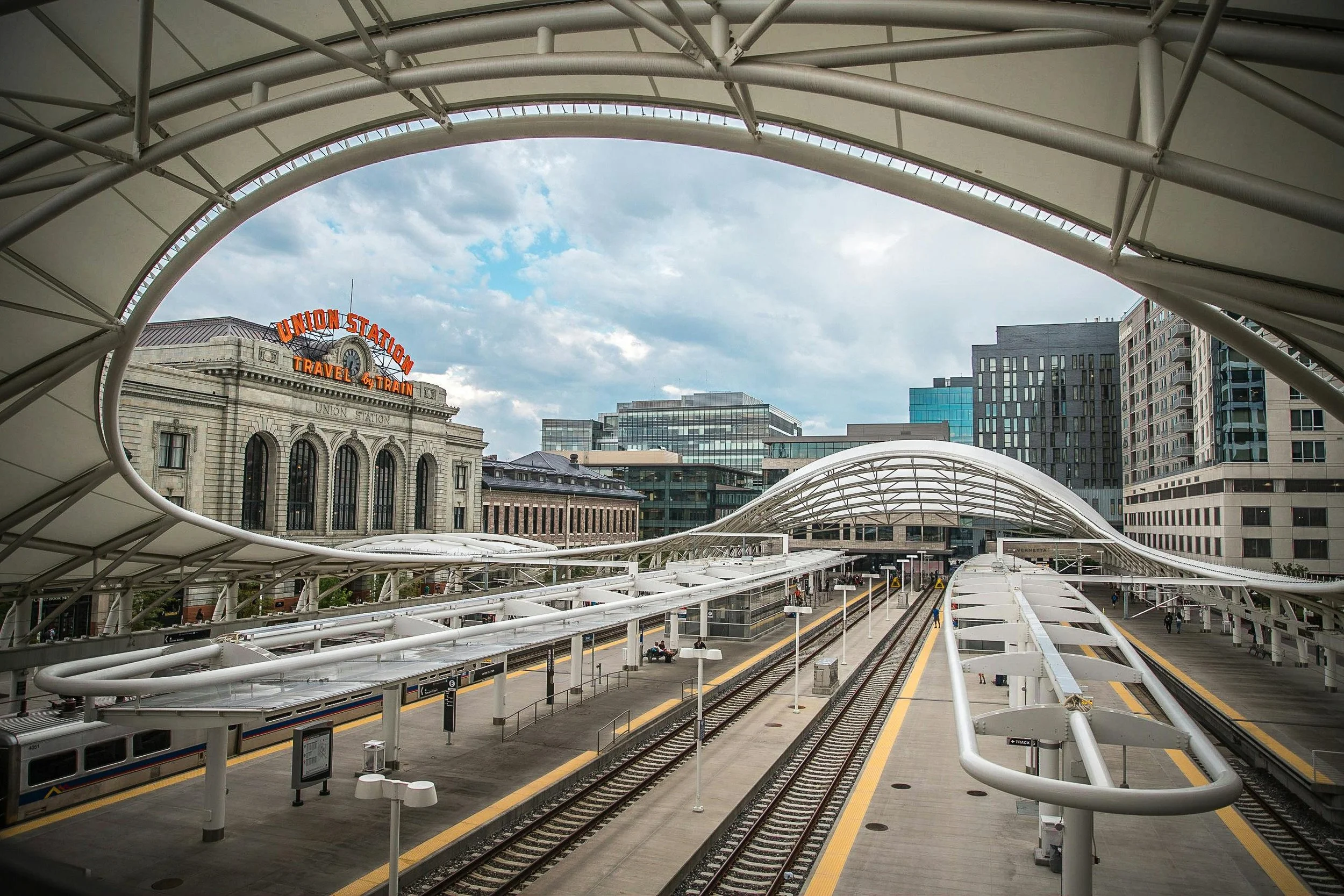
Boulder and Denver are 30 miles apart and feel like different planets. Denver is a legitimate major city — professional sports, a skyline, a restaurant scene that’s earned national attention, and the full spectrum of urban neighborhoods from historic Victorians to modern high-rises. Boulder is an affluent mountain town of 100,000 residents with the University of Colorado, Flatirons views from every direction, and a culture organized around outdoor fitness, organic food, and a casual lifestyle that subtly communicates wealth without performing it.
Both cities attract affluent buyers for good reasons. The question isn’t which city is better — it’s which city matches your lifestyle, your priorities, and the way you want to live for the next decade. The generic cost-of-living calculators won’t tell you that. This guide will.
What follows is a Boulder-versus-Denver comparison written for the buyer spending $1 million or more on a home: property values at the luxury tier, home maintenance costs and complexity at altitude, schools at the private level, community culture, daily lifestyle, commute realities, and the practical question of whether you should just own in both. For comprehensive single-city guides, see our Boulder living guide and our Denver luxury living guide.
Property Values: What $1M+ Buys in Boulder vs Denver
Boulder: Scarcity Premium, Mountain Character
Boulder’s median home price approaches $950,000 to $1,000,000 as of early 2026, but the luxury market operates on its own logic. Strict growth restrictions, open-space preservation policies, and a geographic boundary defined by mountains on one side and protected land on the other create chronic undersupply. The inventory of homes above $1.5 million is small and turns over slowly. When something comes up in Mapleton Hill, Newlands, or Chautauqua, it sells to someone who has been waiting.
At $1.5 million, you’re looking at a solid three-to-four-bedroom home in Newlands, an older Mapleton Hill property that may need updating, or a smaller home near the Chautauqua trailhead. At $3 million, the options open to fully renovated Mapleton Hill, custom Pine Brook Hills properties with mountain views, and premium locations within walking distance of Pearl Street. At $5 million and above, you’re in Flagstaff Mountain territory — estates with acreage, views, and the kind of privacy that justifies the price. For a full landscape of where these homes are, see our Boulder’s best neighborhoods guide. For market trends and pricing data, see our Boulder housing market analysis.
Denver: More Options, More Range, More Modern
Denver’s broader median home price — roughly $560,000 to $600,000 — is misleading for luxury buyers. The neighborhoods where Willow’s clients buy operate well above that number. But the key difference from Boulder is selection: Denver has multiple distinct luxury neighborhoods, each with its own character, price band, and housing stock.
At $1.5 million, Cherry Creek offers polished condos and smaller single-family homes in Denver’s premier shopping and dining district. Washington Park delivers Craftsman and Tudor character on tree-lined streets with one of the best urban parks in the West. Hilltop and Observatory Park provide established family homes with larger lots. At $3 million, you’re in premium Cherry Creek, custom Belcaro estates, or Cherry Hills Village — Denver’s most exclusive address. At $5 million and above, Cherry Hills Village estates and Castle Pines gated properties offer grounds-scale living with Denver access. See our Denver’s best neighborhoods guide for the full picture.
Property Value Comparison:
| Price Point | Boulder | Denver |
|---|---|---|
| $1.5M | 3–4 BR Newlands; older Mapleton Hill; smaller Chautauqua | Cherry Creek condo/home; Wash Park Craftsman; Hilltop |
| $3M | Renovated Mapleton Hill; Pine Brook Hills; premium Chautauqua | Premium Cherry Creek; Belcaro; Cherry Hills Village |
| $5M+ | Flagstaff Mountain estate; Pine Brook Hills acreage | Cherry Hills Village estate; Castle Pines gated |
| Inventory | Severely limited. Growth restrictions. | Much broader. Multiple luxury neighborhoods. |
| New construction | Rare, heavily regulated | Available, modern builds common |
| Price premium | 40–60% above comparable Denver | Baseline for Front Range luxury |
The bottom line on property: dollar for dollar, Denver provides more square footage, more modern construction, and more options. Boulder provides scarcity value, mountain proximity, and a lifestyle premium that inflates prices significantly above comparable Denver luxury. Buyers choosing Boulder are paying for the location and the community as much as the house itself.
Lifestyle and Community: Two Very Different Ways to Be Wealthy in Colorado
Boulder: The Outdoor Republic
Boulder’s culture is organized around the outdoors in a way that goes beyond having nice trails nearby. The outdoors here is the social infrastructure. Your neighbors don’t invite you to dinner parties — they invite you on sunrise hikes. The school drop-off parking lot is full of roof-racked Subarus and Rivians driven by people who ran five miles before breakfast. Business meetings happen on trail runs. Weekend plans default to Chautauqua, Eldorado Canyon, or the Mesa Trail unless someone suggests otherwise.
The affluence is real but deliberately understated. Patagonia, not Prada. Teslas and electric bikes, not Maseratis. The homes are impressive but you’d never know it from the way people dress at the grocery store. The energy is “I could run an ultramarathon and also fund your startup,” delivered without a trace of performance. Pearl Street is wonderful — brick-paved, walkable, great independent shops and restaurants — but you’ll know every restaurant within your first year. The cultural calendar revolves around the university, the Boulder International Film Festival, and a strong local music scene that punches above its weight for a town of 100,000. For the dining and coffee specifics, see our Boulder restaurants guide and Boulder coffee shop guide. For hiking depth, see our complete Boulder hikes guide.
Denver: Urban Sophistication With Mountain Access
Denver gives you things Boulder simply can’t. Professional sports — Broncos, Nuggets, Avalanche, Rockies — are part of the city’s identity and social calendar. The restaurant scene has exploded over the past decade, with neighborhoods like RiNo, LoHi, and Larimer Square delivering dining that rivals much larger cities. The arts, theater, and nightlife options are proportional to a metro area of three million people, which means you can go out every weekend for years without repeating yourself.
Each Denver luxury neighborhood has a distinct personality that Boulder, being smaller, can’t replicate. Cherry Creek is polished urban luxury — high-end shopping, galleries, and the feeling of being at Denver’s center of gravity. Washington Park is family-oriented charm with a neighborhood-block culture, a spectacular urban park, and homes with genuine architectural character. Belcaro is private and exclusive — large lots, mature trees, and the sense that you could forget you live in a city. The professional density is higher: more corporate headquarters, more networking events, more career opportunity for dual-income households.
The trade-off is that Denver is a 45-to-60-minute drive from serious mountain access, where Boulder puts you at the trailhead in ten minutes. And Denver’s size comes with urban realities — traffic, density, and the occasional neighborhoods-in-transition growing pains — that Boulder’s scale avoids. Within Denver, the most common neighborhood-level decision is between Cherry Creek and Washington Park — see our Cherry Creek vs Wash Park comparison for that specific analysis.
Lifestyle Comparison:
| Dimension | Boulder | Denver |
|---|---|---|
| Outdoor access | World-class, immediate | Strong but requires driving |
| Dining & nightlife | Good for its size, limited long-term | Excellent, diverse, growing |
| Professional networking | Tech/outdoor focused, smaller | Broad, corporate HQs, larger |
| Community size | 100K — you know your neighbors | 3M metro — your choice |
| Cultural diversity | Notably homogeneous | Significantly more diverse |
| Mountain proximity | You live in the front yard | You visit on weekends |
| Shopping & services | Pearl Street + limited | Cherry Creek + full metro |
| Pro sports | CU Buffs (college) | Broncos, Nuggets, Avs, Rockies |
Home Maintenance: What It Costs to Keep a Luxury Home in Each City
This is the comparison that no other Boulder-versus-Denver guide covers — and it matters more than most buyers expect. Colorado’s climate is hard on homes regardless of which city you choose, but the specific challenges differ.
Boulder: Higher Altitude, Higher Maintenance
Boulder sits at 5,430 feet — 150 feet above Denver. That additional elevation, combined with proximity to the foothills, means slightly more intense UV, greater wind exposure, and more dramatic temperature swings. Paint, stain, and sealants on exterior surfaces degrade two to three times faster than at sea level. Properties near the foothills face wildlife intrusion — bears, mountain lions, deer, and woodpeckers — that properties in Denver’s urban core don’t encounter. And Boulder County’s Wildland-Urban Interface requirements add fire mitigation to the maintenance calendar for many foothill properties. See our fire mitigation guide for details on those requirements.
Boulder’s vendor market is smaller than Denver’s. Fewer HVAC technicians, roofers, and specialty tradespeople means longer wait times for non-emergency work and higher prices during peak season. For hands-on maintenance and repair work across Boulder County — deck staining, siding repair, fascia replacement, gutter cleaning, and general handyman tasks — Gage Home provides reliable local service at $120 per hour.
Estimated annual maintenance for a $2 million Boulder home with typical luxury systems: $25,000 to $60,000, including both management fees and vendor work. For comprehensive Boulder management, see our Boulder luxury home management guide.
Denver: More Hail, More Vendors, Moderately Lower Costs
Denver’s maintenance profile shares Boulder’s altitude challenges — UV degradation, freeze-thaw cycling, dry climate stress on wood and paint — but at slightly lower intensity. The bigger Denver-specific factor is hail. Denver’s Front Range position creates more frequent hail events than Boulder proper, triggering an annual inspection-documentation-claim-repair cycle for roofing, siding, and exterior surfaces. See our Colorado hail season guide for how that cycle works.
The vendor market advantage is significant. Denver’s larger population supports more specialized tradespeople, shorter wait times, and more competitive pricing. If you need an altitude-experienced HVAC technician or a heated driveway specialist, you’ll find more options in Denver than in Boulder.
Estimated annual maintenance for a $2 million Denver home: $20,000 to $50,000. Denver’s 10 to 20 percent maintenance cost advantage over Boulder comes primarily from vendor availability and slightly lower per-visit pricing, not from meaningfully different climate demands. For Denver management, see our Denver luxury home management guide.
For detailed guidance on maintaining the systems that luxury homes in both cities commonly include, see our heated driveway maintenance guide, radiant floor heating guide, whole-house generator guide, and preventative maintenance checklist.
Schools: Private Education in Boulder vs Denver
Boulder
Boulder Valley School District is consistently among the top-rated public school districts in Colorado, which is unusual for a community this size. Many Boulder families who would default to private school elsewhere find BVSD’s public options genuinely competitive. The private school landscape is smaller but includes strong options: Dawson School in nearby Lafayette (K–12, $28,000 to $33,000 tuition, 7:1 student-to-teacher ratio), Shining Mountain Waldorf, Friends School Boulder, and several Montessori programs. For a comprehensive guide, see our Boulder private schools guide.
Denver
Denver Public Schools operates a choice-based enrollment system called SchoolChoice that allows families to apply to any school in the district regardless of address. This creates unusually strong public options alongside the private landscape. But the private school ecosystem is dramatically larger than Boulder’s: Kent Denver ($43,250, 200-acre campus, Ivy League placements), Graland Country Day ($30,700 to $38,900, all-inclusive PK–8), Colorado Academy (PK–12 on a single campus), Regis Jesuit, Mullen, and dozens of specialized programs spanning Montessori, faith-based, arts-focused, and one-on-one instruction. For the full landscape, see our Denver private schools guide.
The bottom line: Boulder offers fewer options but its public schools often match Denver’s private schools on quality. Denver offers dramatically more private school choice but requires more research to navigate. For families, this is often one of the most significant factors in the city decision.
Commute and Connectivity: The US-36 Reality
The practical consideration that often tips the decision for working professionals.
Boulder to downtown Denver is 25 to 30 miles, with typical drive times of 35 to 60 minutes depending on traffic and time of day. The US-36 corridor handles the bulk of this commute, and during peak hours it can be deeply frustrating. The RTD Flatiron Flyer express bus offers a more predictable 45-to-60-minute alternative with Wi-Fi and the ability to work during the ride. From Boulder to the Denver Tech Center — where a significant number of Denver-area professionals work — the commute stretches to 45 to 75 minutes on a good day, and this is the drive that breaks many Boulder dreams.
Denver International Airport is 60 to 90 minutes from Boulder versus 30 to 45 minutes from central Denver. For frequent business travelers, this is a meaningful quality-of-life difference that accumulates across dozens of trips per year.
The remote work shift that accelerated during the 2020s has dramatically changed this calculus. If you work from home three or more days per week, Boulder’s commute disadvantage is largely eliminated — you’re making the drive to Denver occasionally rather than daily, and the rest of the time you’re working from a home office with Flatirons views. For the professional who commutes daily to a Denver office, the math still strongly favors living in Denver. For the professional who works remotely with occasional Denver meetings, Boulder’s lifestyle advantages compound without the commute penalty.
The Third Option: Own in Both
For the audience reading this article, owning in both cities isn’t a stretch — it’s a genuine option that a meaningful number of Colorado’s affluent families choose.
Denver primary plus Boulder retreat: You get urban amenities, professional proximity, and DIA access during the week. On weekends, you drive 30 minutes to a Boulder property near the foothills for hiking, cycling, and mountain town life. Denver’s lower luxury property prices leave more budget for the Boulder second home.
Boulder primary plus Denver pied-à-terre: You live the Boulder outdoor lifestyle full-time and keep a condo or small townhome in Cherry Creek or LoDo for Denver events, dining, and professional obligations. You get the best of both worlds without the daily commute.
The management complexity doubles. Two properties means two sets of seasonal maintenance, two sets of vendor relationships, two sets of system oversight — heated driveway startup in Boulder, hail damage inspection in Denver, generator testing at both properties, winterization on two separate timelines. This is precisely where professional home management shifts from nice-to-have to essential. Trying to coordinate two Colorado homes yourself while also living your life is a reliable recipe for deferred maintenance at whichever property you’re not currently occupying. See our second home management in Colorado guide for detailed guidance on multi-property coordination.
Frequently Asked Questions: Boulder vs Denver
Is it more expensive to live in Boulder or Denver?
Boulder is approximately 8 to 15 percent more expensive than Denver overall, with the gap widening significantly at the luxury tier. Boulder’s median home price approaches $1 million versus Denver’s $560,000 to $600,000. At the luxury level above $1.5 million, Boulder’s limited inventory and growth restrictions create a scarcity premium of 40 to 60 percent above comparable Denver properties. Home maintenance costs run 10 to 20 percent higher in Boulder due to altitude, vendor scarcity, and fire mitigation requirements.
How far is Boulder from Denver?
Boulder is 25 to 30 miles from Denver, with typical drive times of 35 to 60 minutes depending on traffic. The RTD Flatiron Flyer express bus offers a 45 to 60 minute alternative on the US-36 corridor. Denver International Airport is 60 to 90 minutes from Boulder versus 30 to 45 minutes from central Denver.
Is Boulder or Denver better for families?
Both are excellent for families but serve different preferences. Boulder offers top-rated public schools through BVSD, a smaller community where families know each other, and immediate access to outdoor activities. Denver offers dramatically more private school choice, more cultural and entertainment variety, and more diverse social experiences for children. The choice often comes down to whether you prioritize outdoor lifestyle and community intimacy or urban variety and educational options.
Is it cheaper to maintain a luxury home in Boulder or Denver?
Denver luxury homes typically cost 10 to 20 percent less to maintain annually than comparable Boulder properties. Boulder’s additional 150 feet of elevation, greater wind exposure, wildlife considerations, and fire mitigation requirements all increase costs. Denver’s larger vendor market provides more competitive pricing and shorter wait times. Both cities face Colorado’s UV, hail, and freeze-thaw challenges, but Boulder’s mountain proximity intensifies them.
Can I own property in both Boulder and Denver?
Yes, and many of Colorado’s affluent homeowners do. A Denver primary with a Boulder weekend retreat or a Boulder primary with a Denver pied-à-terre gives you the best of both cities. Managing two Front Range properties requires coordinated maintenance across both locations, which is where professional home management becomes essential rather than optional. Willow Home manages properties in both cities through a single concierge relationship.
Two Cities, One Climate, One Decision
Boulder and Denver offer two genuinely different versions of Colorado luxury living. Boulder gives you mountain intimacy, outdoor culture, and a community small enough to know by name — at a premium that reflects the scarcity of that experience. Denver gives you urban sophistication, professional density, cultural depth, and more housing options — with mountain access that requires a weekend drive instead of a morning walk.
Neither city is objectively better. The right choice depends on what you value most in daily life, how you work, where your children will thrive, and how you want to spend the 90 percent of your time that isn’t at work. What both cities share is Colorado’s altitude, UV, hail, and freeze-thaw — which means whichever you choose, your home will need professional-grade maintenance to protect the investment.
Willow Home manages luxury properties in both Boulder and Denver. We know the vendors, the seasonal rhythms, and the specific maintenance demands of each city because we operate in both — not because we read about them. One concierge relationship, two cities, complete coverage.
Boulder luxury home management
Denver luxury home management
Contact Willow to discuss your property
Willow is a luxury home concierge service based in Boulder, Colorado. We care about your home and giving you back your time to do the things you care about most.
How it Works