
Boulder Luxury Kitchen Maintenance: High-End Appliance Care, Countertop Protection & What It Costs
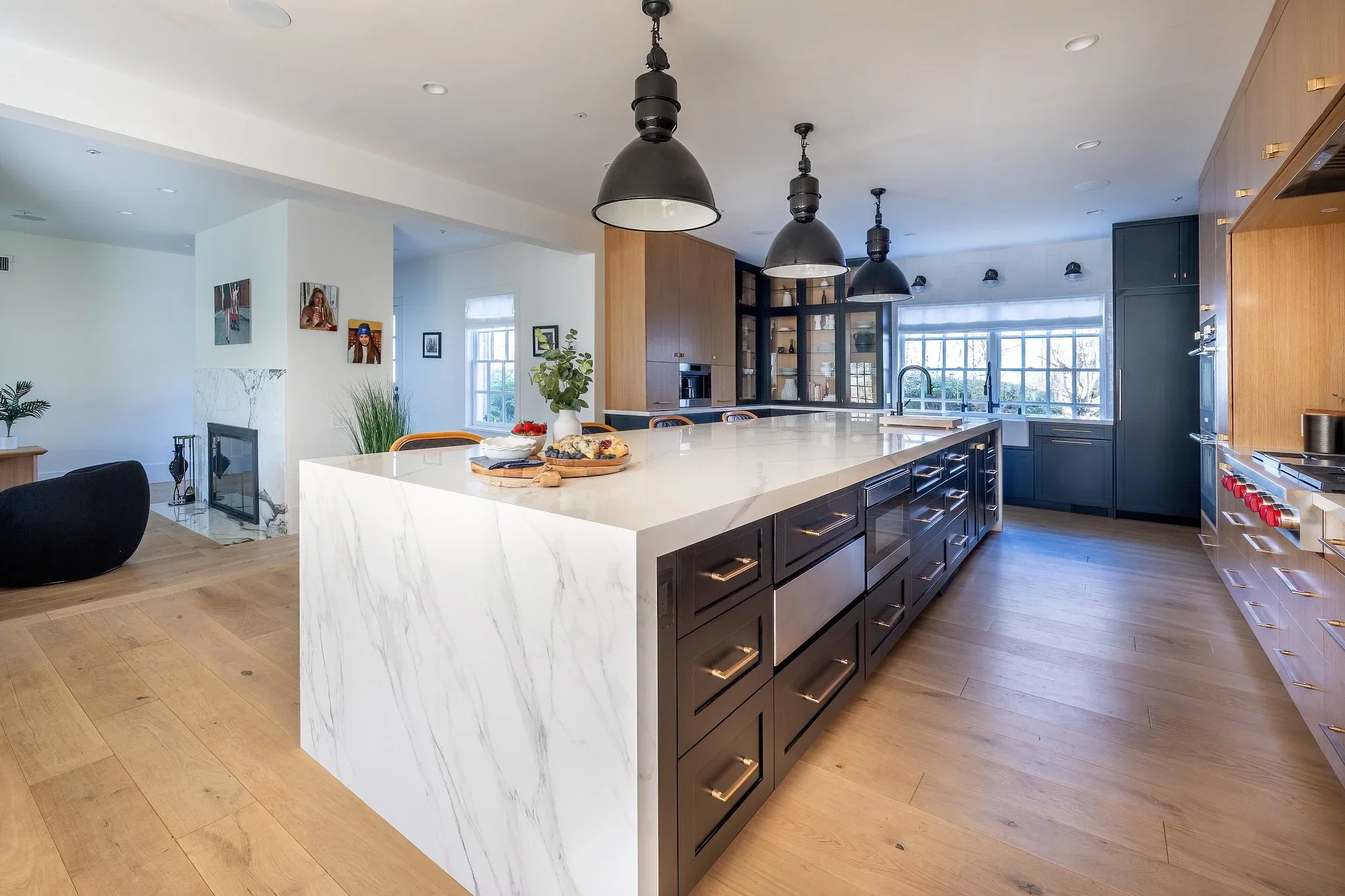
A luxury kitchen in Boulder typically represents $75,000 to $200,000 or more in appliances, countertops, cabinetry, and fixtures. A Sub-Zero built-in refrigerator starts at $8,000 and can exceed $20,000. A Wolf dual-fuel range runs $5,000 to $15,000. Natural stone countertops cost $50 to $200 or more per square foot installed. Custom cabinetry adds $30,000 to $80,000. These are serious investments, and they require maintenance that most generic kitchen care guides don’t cover.
Boulder adds challenges that kitchens at sea level don’t face. Gas appliances lose roughly 20 percent of their rated BTU output at 5,430 feet. Winter humidity below 20 percent causes solid wood cabinet doors to shrink, warp, and crack. Hard water builds mineral deposits on high-end fixtures and inside appliance water systems. UV at altitude fades finishes faster. The kitchen that looked flawless at installation starts showing wear in ways that the showroom never mentioned.
This guide covers the maintenance schedule, costs, and Boulder-specific considerations for every component of a luxury kitchen — organized so you can find what you need quickly and schedule what you need to schedule. For how kitchen maintenance fits into your whole-home preventative maintenance checklist, see our seasonal guide.
Annual Appliance Maintenance Schedule
| Appliance | Frequency | Key Tasks | Annual Cost |
|---|---|---|---|
| Sub-Zero Refrigerator | Annual + quarterly | Condenser clean, gaskets, filter | $275–$650 |
| Sub-Zero Wine Storage | Annual | Condenser, humidity, seals | $200–$400 |
| Wolf Range/Cooktop | Annual + quarterly | Calibrate, igniters, altitude kit | $150–$350 |
| Wolf Wall Oven | Annual | Temp calibration, door seal | $100–$200 |
| Miele Dishwasher | Monthly + annual | Filter, spray arms, hoses | $100–$200 |
| Thermador Range | Annual + quarterly | Calibrate, altitude kit, grates | $150–$350 |
| Built-In Coffee | Monthly + annual | Descale, filter, professional svc | $150–$300 |
| Ventilation Hood | Quarterly | Grease filters, duct clean 2–3yr | $75–$200 |
| Ice Maker | Quarterly | Condenser, sanitize, filter | $100–$250 |
| Beverage Center | Annual + quarterly | Condenser, gaskets, temp | $75–$150 |
These are maintenance costs — not repair. The purpose is preventing the $2,000 to $5,000 or more emergency repair bills that come from neglecting high-end appliances. A Sub-Zero condenser that’s never cleaned works progressively harder until the compressor fails — a $1,500 to $3,000 repair that a $400 annual service call would have prevented.
How Altitude Affects Your Kitchen in Boulder
This is the section that no other kitchen maintenance guide covers, and it’s the reason Boulder kitchens behave differently from kitchens at sea level.
Gas Appliance Performance
Gas appliances lose approximately 4 percent of their rated BTU output per 1,000 feet above sea level. At Boulder’s 5,430 feet, that translates to roughly a 20 percent reduction in actual BTU output. A Wolf burner rated at 25,000 BTUs at sea level produces closer to 20,000 BTUs in Boulder. A Thermador 15,000-BTU burner delivers about 12,000. The range isn’t broken — it’s physics.
The practical effects: water takes longer to boil, searing temperatures are lower, and preheating takes longer. Manufacturers address this with altitude conversion kits — orifice changes and regulator adjustments that partially compensate for the thinner air. Wolf, Thermador, Viking, and BlueStar all offer high-altitude kits for ranges above 4,000 feet. If your range was installed without an altitude kit, its performance has been suboptimal since day one. Ask your service technician to verify the altitude kit is installed during your next annual calibration.
Oven Calibration and Baking
Water boils at roughly 202°F in Boulder versus 212°F at sea level. This affects baking, candy making, and any recipe that depends on precise temperatures. Ovens should be calibrated annually to verify that displayed temperatures match actual temperatures. At altitude, convection ovens outperform conventional because the forced air circulation compensates for the thinner atmosphere and more rapid moisture evaporation. If you have a convection option and you’re not using it in Boulder, you’re leaving performance on the table.
Induction: The Altitude-Proof Alternative
Induction cooktops are completely unaffected by altitude because they heat the cookware directly through electromagnetic induction rather than heating the air. There is no BTU loss, no combustion adjustment, and no altitude kit required. This is one reason induction is gaining popularity in Colorado luxury kitchens — particularly in new construction and renovations where the altitude performance advantage is a genuine selling point.
Countertop Care by Material
Boulder luxury kitchens feature a range of countertop materials, each with its own maintenance profile. Colorado’s dry climate, intense UV, and hard water add material-specific considerations that generic care guides miss.
Granite
Seal annually — more often in high-use zones around the sink and stove. Test by placing a few drops of water on the surface and waiting five minutes. If the water darkens the stone rather than beading on the surface, it’s time to reseal. Use a pH-neutral stone cleaner for daily maintenance. Never use vinegar, citrus, or bleach-based cleaners on natural stone. Professional sealing runs $200 to $500 per kitchen and takes less than an hour. Granite is the most forgiving of the natural stones — it resists heat, scratching, and staining better than marble and requires the least ongoing attention.
Marble
The high-maintenance luxury choice, and worth every bit of the effort for homeowners who love it. Seal every three to six months in kitchen applications. The critical distinction with marble is the difference between etching and staining. Etching is a chemical reaction between acid (lemon juice, wine, tomato sauce) and the calcium carbonate in marble — no sealer prevents it. Staining is absorption of a colored liquid into the porous stone — sealer prevents this. Honed (matte) marble shows etching less than polished marble, which is why many Boulder kitchen designers recommend honed for kitchen use.
In Boulder’s dry climate, marble faces an additional risk: hairline cracks along natural veining when indoor humidity drops dramatically in winter. Maintaining indoor humidity above 30 percent with a whole-house humidifier protects marble countertops along with hardwood floors, cabinetry, and musical instruments. Professional honing to remove accumulated etching costs $300 to $800.
Quartzite
Increasingly the material of choice in Boulder luxury kitchens. Natural quartzite — not to be confused with engineered quartz — offers marble-like aesthetics with granite-like durability. Brazilian quartzite varieties like Macaubas and Calacatta Macauba are especially popular with Boulder buyers, according to local fabricators. Seal annually. Quartzite is harder and more stain-resistant than marble but still a natural stone that benefits from proper care. It handles heat better than engineered quartz and won’t yellow from UV exposure.
Engineered Quartz
The low-maintenance option. Engineered quartz (Caesarstone, Cambria, Silestone) requires no sealing and resists staining, scratching, and bacteria without chemical treatment. However, it has limitations that natural stone doesn’t: excessive heat can damage the resin binders (always use trivets), prolonged UV exposure can yellow lighter colors over time, and some bleach-based cleaners can discolor the surface. Clean with mild soap and water. No sealing, no polishing, no annual service — just common-sense daily care.
Soapstone
A natural stone with a distinctive matte texture that’s popular in Craftsman and farmhouse kitchens across Boulder’s historic neighborhoods. Oil periodically with food-grade mineral oil to deepen the color and develop the patina that soapstone is known for. Scratches in soapstone can be sanded out with fine sandpaper and re-oiled — one of the few countertop materials where damage is genuinely reversible. Soapstone does not require sealing.
Butcher Block
Oil monthly with food-grade mineral oil. Sand and re-oil the full surface seasonally. Butcher block is especially vulnerable in Boulder’s dry climate — wood absorbs and releases moisture with humidity changes, and at winter humidity levels below 20 percent, butcher block can crack, split, and separate at seams. A whole-house humidifier set to maintain 35 to 45 percent humidity protects butcher block along with everything else made of wood in the house. Butcher block near sinks needs extra attention — keep water from pooling on the surface and re-oil more frequently in high-moisture zones.
Custom Cabinetry Maintenance
Custom cabinetry in a Boulder luxury kitchen represents $30,000 to $80,000 or more. The primary threat to that investment isn’t cooking grease or daily wear — it’s Colorado’s dry air.
The Humidity Problem
Solid wood cabinet doors and drawer fronts expand and contract with humidity changes. Boulder’s dramatic seasonal swings — winter humidity below 20 percent, summer around 40 percent — cause doors to shrink in winter (gaps between doors and frames, doors that no longer close flush), swell in summer, and over time warp and crack from the repeated stress. Maintaining indoor humidity between 35 and 45 percent year-round with a whole-house humidifier is the single most effective cabinetry protection strategy. This one investment protects cabinets, hardwood floors, trim work, musical instruments, and artwork throughout the home.
Hardware and Hinges
Check and adjust soft-close hinge tension annually. Tighten loose handles and pulls quarterly. Cabinet hardware loosens naturally with daily use — a handle that’s slightly loose in March is a stripped screw hole by December if you don’t tighten it. Gage Home handles cabinet hardware tightening, hinge adjustment, and minor cabinet repair as part of handyman visits — it’s the kind of 15-minute task that’s easy to add to a broader maintenance visit.
Finish Care
Clean cabinet surfaces with a damp cloth and mild soap. Avoid silicone-based furniture polishes — they create a buildup that attracts dust and dulls the finish over time. No abrasive cleaners. For painted cabinets, touch up chips before moisture penetrates the exposed wood underneath. For stained or natural wood finishes, clean and condition with a wood-appropriate product twice per year. Interior shelf liners prevent dish wear, and pull-out organizers should be checked for smooth operation annually. Lazy Susans and corner cabinet mechanisms benefit from occasional lubrication at the pivot points.
Plumbing Fixtures and Water Quality
High-end kitchen faucets from Waterstone, Brizo, Rohl, and Dornbracht represent $500 to $3,000 or more in hardware. Boulder’s water quality affects them differently than fixtures in cities with softer water.
Hard water deposits build up on chrome, nickel, and brass finishes. Remove mineral buildup with a manufacturer-recommended fixture cleaner — not vinegar if you have natural stone countertops anywhere near the splash zone. Polish finishes per the manufacturer’s instructions; different metals require different products, and the wrong polish will damage the finish.
Under-sink water filtration protects both your fixtures and your appliances. Sub-Zero and other built-in refrigerators with water dispensers and ice makers benefit from pre-filtration that extends the internal filter’s life and prevents mineral scale in the water system. Replace under-sink filters every 6 to 12 months ($50 to $150). Built-in instant hot water dispensers should be descaled every six months in Boulder’s water.
Pot fillers are low-use fixtures that can develop mineral buildup and stiff valves if they sit unused for weeks. Run your pot filler monthly even if you don’t need it — the flow keeps internal components from corroding and valves from seizing.
Kitchen Ventilation at Altitude
Kitchen ventilation is more critical at altitude than at sea level because lower air pressure affects exhaust efficiency. A hood that moves 600 CFM at sea level moves somewhat less at 5,430 feet — which means grease, moisture, and cooking odors linger longer if you’re not maintaining the system.
Grease filters should be cleaned or replaced quarterly — monthly if you cook frequently with high-heat methods (searing, wok cooking, frying). Metal baffle filters can be cleaned in the dishwasher. Mesh filters should be replaced. A clogged grease filter doesn’t just reduce airflow — it’s a fire hazard.
Ductwork should be professionally cleaned every two to three years. Grease buildup in ducts reduces efficiency and creates fire risk. Check the exterior damper annually — a stuck damper in winter lets cold air infiltrate the kitchen and wastes heating energy.
Make-up air is required by code for large commercial-style hoods (typically 900 CFM and above). The make-up air system replaces the air the hood exhausts to prevent negative pressure in the home. Without it, a powerful hood pulls air down chimneys, backdrafts gas appliances, and makes doors hard to open. The make-up air system needs annual inspection to verify balanced air pressure.
Annual Luxury Kitchen Maintenance Costs
| Category | Annual Cost | Notes |
|---|---|---|
| Sub-Zero service | $275–$650 | Condenser clean, factory-authorized |
| Wolf/Thermador calibration | $150–$350 | Burners, altitude kit, igniters |
| Miele dishwasher | $100–$200 | Annual hose/seal inspection |
| Coffee system | $150–$300 | Annual pro service + monthly descale |
| Countertop sealing | $200–$500 | Granite/quartzite annual |
| Marble restoration | $300–$800 | Honing as needed |
| Water filters | $100–$250 | Fridge + under-sink, every 6–12 mo |
| Hood duct cleaning | $75–$150 | Full clean every 2–3 years |
| Cabinet hardware | $100–$200 | Hinge, hardware, touch-up |
| TOTAL | $1,500–$3,500+ | Prevents $2K–$5K+ emergency repairs |
The return on this maintenance investment is straightforward: a Sub-Zero compressor replacement costs $1,500 to $3,000. A Wolf ignition module failure runs $800 to $1,200. A marble countertop that’s been neglected to the point of needing professional restoration can cost more than the annual sealing that would have prevented the damage. Maintenance isn’t an expense — it’s insurance for the $100,000 or more you’ve already invested in the room.
For how kitchen maintenance fits into the broader picture of protecting your home’s value through maintenance, see our investment analysis.
Finding Factory-Authorized Service in Boulder
This is where luxury kitchen maintenance gets tricky in Boulder: there are fewer factory-authorized service technicians than in Denver, and the wait times reflect that.
Sub-Zero, Wolf, and Cove maintain a factory-authorized service network. Use the service locator at subzero-wolf.com to find the authorized provider for Boulder County. This is not optional — unauthorized repairs void manufacturer warranties, may use non-OEM parts, and can compromise appliance performance. Sub-Zero recommends annual professional maintenance, and the authorized service providers offer annual maintenance programs that bundle condenser cleaning with a full appliance inspection.
Miele has a smaller service network than Sub-Zero in Colorado. Wait times for factory-authorized Miele service in Boulder can run one to two weeks. If you have Miele appliances, establish the service relationship proactively rather than waiting for a breakdown.
Thermador is serviced through BSH factory service or authorized partners. Use the Thermador service locator at thermador.com. BSH’s labor rate is $25 per six minutes for out-of-warranty service, plus parts and a diagnosis charge.
La Cornue has an extremely limited service network for its French luxury ranges. Factory-authorized repair is available through select partners only, and parts sourcing can take days to weeks. If you own a La Cornue, your relationship with the authorized service provider is one of the most important maintenance relationships in your home.
The scheduling takeaway: Book annual maintenance visits well in advance. Fall is the ideal timing — before holiday cooking season stress-tests every appliance simultaneously. Spring is the second-best window. Calling for maintenance during a Thanksgiving week breakdown is how you learn that the wait list is three weeks long. For general guidance on finding reliable service providers in Boulder, see our contractor guide.
Frequently Asked Questions
How much does it cost to maintain a luxury kitchen in Boulder?
Annual maintenance for a fully equipped luxury kitchen runs $1,500 to $3,500 or more, covering appliance service, countertop sealing, filter replacements, ventilation cleaning, and cabinet upkeep. This is preventative maintenance — it prevents the $2,000 to $5,000 or more emergency repair bills that come from neglecting high-end appliances and surfaces.
How often should I service my Sub-Zero refrigerator?
Annually. Professional condenser coil cleaning is the critical maintenance item, costing $275 to $650 through factory-authorized service. Replace the water filter every 6 to 12 months. Clean door gaskets quarterly. With proper maintenance, a Sub-Zero refrigerator lasts 20 or more years.
Does altitude affect my gas range in Boulder?
Yes. Gas appliances lose approximately 4 percent of BTU output per 1,000 feet above sea level. At Boulder’s 5,430 feet, a range produces roughly 20 percent fewer BTUs than its rated output. Wolf, Thermador, Viking, and BlueStar offer altitude conversion kits that partially compensate. If your range was installed without one, have your service technician verify and install it at the next calibration visit.
How often should I seal my granite countertops in Boulder?
Annually for granite and quartzite, every three to six months for marble in kitchen applications. Test by placing water drops on the surface — if the stone darkens instead of the water beading, it’s time to reseal. Professional sealing costs $200 to $500 per kitchen. Use pH-neutral stone cleaners for daily care.
Why are my cabinet doors warping in winter?
Boulder’s winter humidity regularly drops below 20 percent, causing solid wood cabinet doors and drawer fronts to shrink, warp, and develop cracks. The solution is maintaining indoor humidity between 35 and 45 percent year-round with a whole-house humidifier. This protects cabinets, hardwood floors, trim, and every other wood surface in the home.
How do I find authorized Sub-Zero or Wolf repair in Boulder?
Use the factory service locator at subzero-wolf.com. Only use factory-authorized providers — unauthorized repairs void manufacturer warranties and may use non-OEM parts. Boulder has fewer authorized luxury appliance technicians than Denver, so book annual maintenance well in advance. Fall scheduling before the holiday cooking season is ideal.
Your Kitchen Has 6 Vendors. You Need One Coordinator.
A luxury kitchen with Sub-Zero, Wolf, and Miele appliances, natural stone countertops, custom cabinetry, and high-end fixtures requires relationships with at least six different service providers — each with their own scheduling system, their own maintenance interval, and their own authorized service network. The Sub-Zero technician doesn’t seal your countertops. The stone restoration company doesn’t calibrate your range. The hood cleaning service doesn’t adjust your cabinet hinges.
Willow Home’s concierge services manage the entire kitchen maintenance calendar as part of whole-home property oversight. We schedule factory-authorized appliance service, track filter replacement cycles, coordinate countertop sealing, book ventilation cleaning, and ensure that the 10 different maintenance tasks your kitchen needs actually happen on schedule — so your $150,000 investment performs like it should for decades, not just until the warranty expires.
See how Willow’s home concierge works or contact us for a consultation. For minor kitchen maintenance and adjustments — cabinet hardware, drawer slides, hinge tension, shelf installation — Gage Home provides handyman services across Boulder County.
Willow is a luxury home concierge service based in Boulder, Colorado. We care about your home and giving you back your time to do the things you care about most.
How it Works