Flagstaff Mountain Living: Boulder's Most Exclusive Addresses
 23 min read
When Boulder residents talk about the city's most prestigious addresses, the conversation inevitably turns to Flagstaff Mountain. Rising above the valley floor where Baseline Road transforms into a winding mountain ascent, Flagstaff represents something rare in Boulder's competitive real estate market: true seclusion paired with proximity. Properties here offer panoramic views of the Continental Divide, acres of private forest, and the kind of quiet that simply doesn't exist in town—yet Pearl Street sits just fifteen minutes away.
This isn't Chautauqua's walkable historic charm or Pine Brook Hills' established mountain community—two of Boulder's best neighborhoods in their own right. Flagstaff Mountain is Boulder's ultimate expression of luxury living for those who prioritize views, privacy, and connection to the natural world above all else. It's also a commitment—to mountain roads, fire mitigation, and a lifestyle that demands more from homeowners than a typical Boulder property. Understanding both the appeal and the reality is essential before falling in love with that perfect ridgeline estate. For the wider picture of what life here offers, see the complete Boulder living guide.
What Makes Flagstaff Mountain Boulder's Premier Address
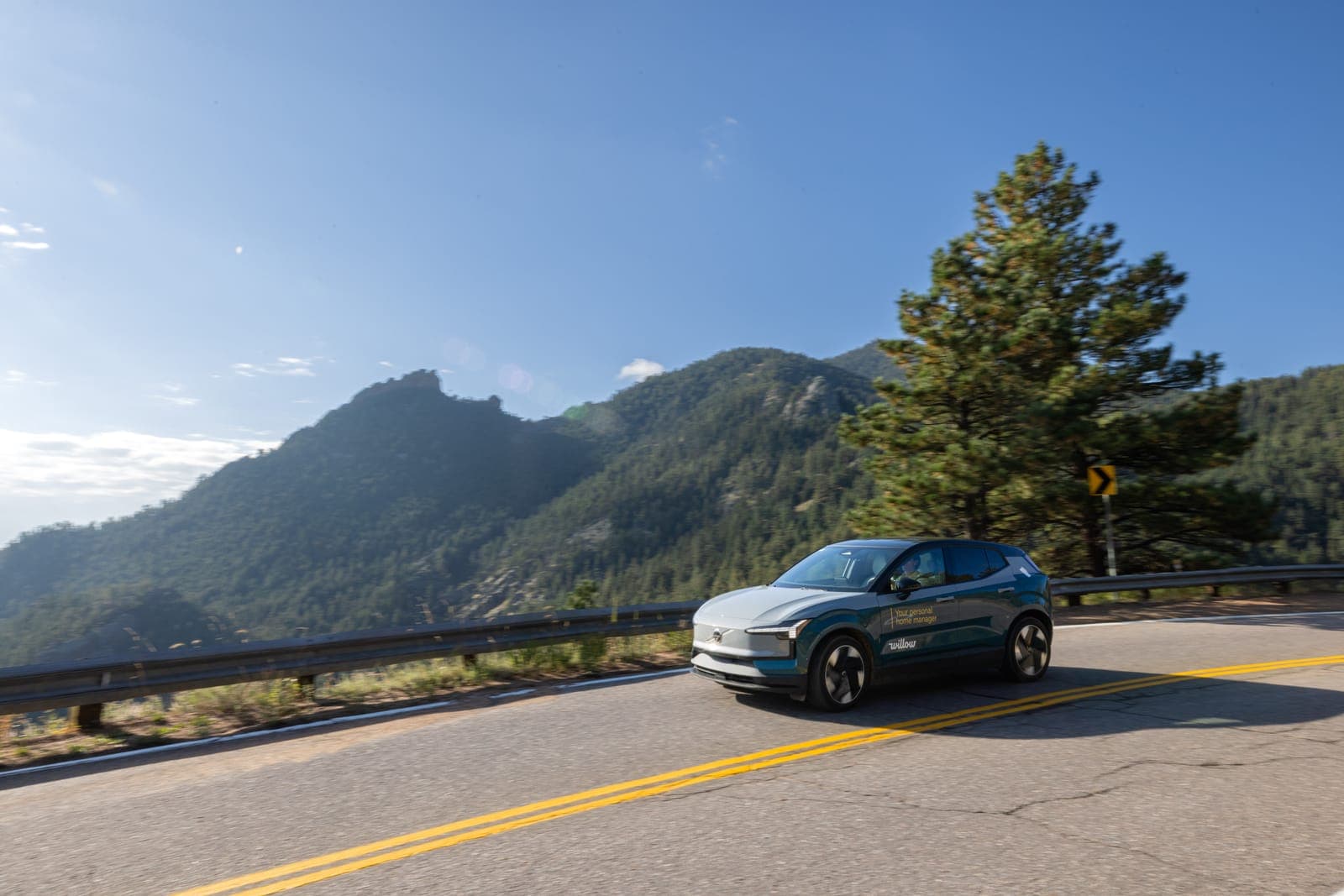
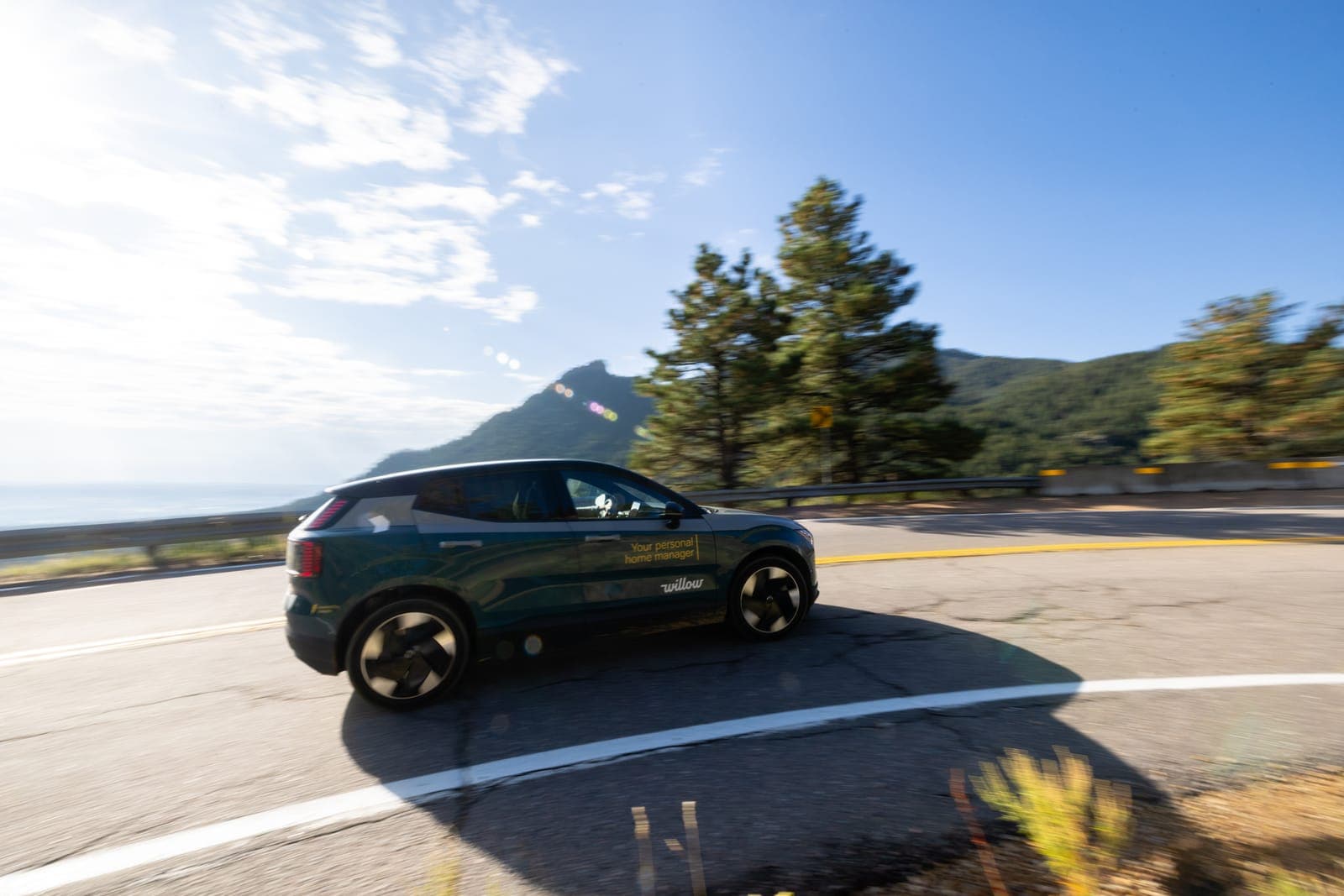
Flagstaff Road begins its climb just past Chautauqua Park, where Baseline Road curves sharply upward and the character of Boulder transforms completely. Within minutes, you've left the valley floor behind. The road narrows, hugging the mountainside through stands of ponderosa pine, past granite outcroppings, and around hairpin turns that reveal increasingly dramatic views with each switchback.
Properties along this corridor occupy some of the most coveted land in Boulder County. Elevations range from 6,000 to over 7,500 feet, placing homes above the summer heat that settles into the valley while offering unobstructed sightlines to the Continental Divide, Indian Peaks Wilderness, and on clear days, the distant snow-capped summits of Rocky Mountain National Park. At night, the lights of Boulder, Denver, and the entire Front Range urban corridor twinkle far below.
The inventory is remarkably limited. Fewer than one hundred properties dot the Flagstaff corridor, from the lower reaches near Panorama Point to the remote estates bordering Walker Ranch and approaching Gross Reservoir. This scarcity, combined with the dramatic natural setting, creates a market where truly exceptional properties rarely become available and command premium prices when they do.
What distinguishes Flagstaff from Boulder's other luxury enclaves comes down to scale and seclusion. Where Chautauqua offers historic cottages on quarter-acre lots within walking distance of the Dining Hall, Flagstaff properties typically encompass five to thirty-five acres of private land. Where Mapleton Hill provides stately Victorians on tree-lined streets, Flagstaff delivers custom mountain estates where your nearest neighbor might be a quarter-mile away through the forest. Where Pine Brook Hills balances mountain living with a more established community infrastructure, Flagstaff leans further into wilderness—adjacent to thousands of acres of open space, national forest, and the protected lands surrounding Gross Reservoir.
The proximity paradox defines the Flagstaff lifestyle. You're living in what feels like a remote mountain retreat, surrounded by wildlife and wrapped in forest, yet a fifteen-minute drive deposits you at Whole Foods, Pearl Street's restaurants, or your office downtown. It's this combination—genuine mountain seclusion without true remoteness—that makes Flagstaff uniquely appealing to buyers who want both worlds.
Flagstaff Mountain Real Estate: What Your Investment Buys
The Flagstaff real estate market operates at a different level than most of Boulder. Recent data shows a median listing price of approximately $2.85 million, with price per square foot averaging around $958—significantly higher than Boulder's overall market. Properties typically spend about sixty-four days on market, though the most desirable listings often move faster through private networks and pre-market relationships.
To comfortably purchase a median-priced Flagstaff home, buyers generally need household income approaching $500,000 annually, accounting for a substantial down payment and the carrying costs of mountain property ownership. This positions Flagstaff firmly in Boulder's ultra-luxury tier, attracting entrepreneurs, executives, and established professionals who've achieved the financial flexibility to prioritize lifestyle over convenience.
The $1M–$2M Range
Entry-level Flagstaff properties—and entry-level is relative here—typically offer smaller mountain homes in the 1,500 to 2,500 square foot range on two to five acre lots. Many are older constructions from the 1970s through 1990s, solidly built but often needing updates to meet contemporary expectations. Views are good but not necessarily the premier panoramas that define the corridor's most valuable properties. These homes appeal to buyers who want the Flagstaff address and lifestyle without the top-tier price point, understanding they may sacrifice some of the dramatic sightlines that make higher-priced properties so exceptional.
A recent example: 8563 Flagstaff Road sold for $921,000 in mid-2024, offering two bedrooms, open layout with high ceilings, and fully owned solar panels on a property with panoramic views and easy access to Walker Ranch trails. At this price point, buyers should expect projects—but also the bones of something special.
The $2M–$4M Range
This segment represents the heart of the Flagstaff market, where custom mountain estates deliver the full promise of the location. Homes typically range from 2,500 to 4,500 square feet on five to ten acre lots, featuring quality construction, modern amenities, and the panoramic views that define Flagstaff living.
Properties in this range often include guest houses or ADUs—a practical consideration given the distance from town and the appeal of hosting visitors in this setting. Architecture tends toward mountain contemporary or refined rustic, with extensive use of timber, stone, and glass to frame the surrounding landscape. Expect features like radiant floor heating, multi-zone climate systems, gourmet kitchens with professional-grade appliances, and expansive deck systems designed to maximize outdoor living.
Recent sales illustrate the segment: 8552 Flagstaff Road sold for $2,520,000, featuring a million-dollar luxury remodel with Sub-Zero, Wolf, and Viking appliances, spa bathrooms with heated stone floors, and bifold accordion doors opening to Continental Divide views. The property exemplifies what thoughtful renovation can achieve on a prime Flagstaff site.
The $4M–$10M+ Range
At the upper end, Flagstaff offers architectural masterpieces on compound-scale properties. These estates encompass ten to thirty-five or more acres, often featuring multiple structures—main residence, guest house, caretaker's quarters, and various outbuildings. Premier view corridors provide 360-degree panoramas impossible to achieve at lower elevations.
Construction quality reaches museum-worthy levels. One notable property at 7245 Flagstaff Road sold for $6,750,000, described as "show-stopping artistry" with four fireplaces, Southwestern styling, and exhibit-worthy composition throughout. Another listing at 8566 Flagstaff Road, offered at $2,650,000, showcases 5,617 square feet with an oversized heated three-car garage, in-law suite potential, fully owned solar panels, and equestrian possibilities on its serene mountain setting near Walker Ranch.
Properties at this level represent legacy investments—the kind of holdings that families maintain across generations.
The Flagstaff Lifestyle: Daily Life on the Mountain
Living on Flagstaff Mountain means embracing a rhythm fundamentally different from in-town Boulder life. The commute alone shapes daily patterns: six to eight and a half miles to downtown, typically fifteen to twenty minutes in good conditions, along a scenic mountain road that demands attention and rewards it with beauty.
Morning commutes descend through the pines as sunrise illuminates the peaks behind you. The drive is never monotonous—light shifts through the forest differently each day, wildlife crosses the road, seasons transform the landscape. Evening returns climb back into elevation, often chasing the sunset as you wind upward toward home. It's a commute that many Flagstaff residents describe as one of the day's pleasures rather than a burden, though winter conditions require respect and preparation.
There are no walkable amenities on Flagstaff Mountain. This is intentional seclusion—the entire point is escaping the convenience that defines urban life. Grocery runs mean fifteen to twenty minutes to Whole Foods or Lucky's Market. Dinner out requires driving, whether down to Pearl Street's restaurants or, more conveniently, five minutes up to Flagstaff House. Schools in Boulder Valley School District serve the area, with Flatirons Elementary, Manhattan Middle School of Arts and Academics, and Boulder High the typical feeders, though bus service availability varies by specific location.
Most delivery services reach Flagstaff properties, though some require gate codes, clear directions, and occasionally a driver willing to navigate the road. Emergency services respond from Boulder Fire and Rescue, with response times inherently longer than in-town locations—a factor worth considering for families with health concerns or very young children.
The view lifestyle compensates for every inconvenience. Morning coffee happens on a deck overlooking the Continental Divide, watching alpenglow paint the peaks pink and gold. Afternoon thunderstorms roll across Indian Peaks with dramatic intensity visible from your living room. Evening brings city lights twinkling across the Boulder Valley, and night delivers star-filled skies unmarred by the light pollution that dims celestial views closer to town. The darkness on Flagstaff Mountain allows stargazing that feels genuinely wild.
Wildlife encounters are daily occurrences rather than special events. Deer move through properties each morning and evening. Elk appear seasonally, particularly in fall. Bears are active spring through fall, requiring vigilance about garbage and bird feeders. Mountain lions inhabit the area—rarely seen but present, a reminder that Flagstaff Mountain remains genuine wilderness despite its proximity to civilization.
The community is small and privacy-focused. Neighbors chose this location specifically for seclusion, and relationships tend toward respectful distance punctuated by practical cooperation. Everyone knows everyone, at least by sight, and road maintenance coordination creates natural connection points. There's an implicit understanding among Flagstaff residents: you're here because you value what this place offers, and that shared appreciation creates community without requiring the social density of a traditional neighborhood.
Flagstaff House & Mountain Amenities
Living on Flagstaff Mountain means having one of America's great restaurants essentially in your backyard. Flagstaff House has occupied its perch at 6,000 feet since 1971, when the Monette family transformed a 1929 summer cabin into what would become Boulder's most celebrated dining destination. More than fifty years later, the restaurant remains family-owned and continues collecting accolades: Wine Spectator Grand Award every year since 1983 (one of only ninety-three restaurants worldwide), forty-two Forbes Four Star ratings, thirty-three consecutive AAA Four Diamond awards, and regular inclusion on OpenTable's Most Romantic Restaurants in America.
The experience matches the recognition. A 16,000-bottle wine cellar supports one of Colorado's most impressive programs. Executive Chef Chris Royster, a Food Network Chopped Champion, delivers New American cuisine designed to complement rather than compete with the setting. And the setting—terraces overlooking Boulder with the Flatirons catching sunset light—remains the restaurant's greatest asset. Four-course and multi-course tasting menus run three hours or more, an evening-defining experience rather than a quick dinner.
For Flagstaff residents, this world-class dining sits five minutes from home. Anniversary dinner, important client meeting, visiting family to impress—the answer is always close at hand.
Beyond the restaurant, Flagstaff Summit hosts the Sunrise Amphitheater, a historic stone structure built by the Civilian Conservation Corps in the 1930s. The east-facing amphitheater looks across the Boulder Valley to the Eastern Plains, making it a popular wedding venue and the site of Easter sunrise services that draw crowds annually. Living on Flagstaff means occasionally watching ceremonies unfold from your deck, or walking over to catch a community event in this remarkable setting.
The Boulder Star adds another layer of meaning to Flagstaff living. Since 1947, this beloved holiday symbol has lit the mountain each winter, visible across the Boulder Valley from Veterans Day through the holiday season. Originally a Christmas decoration installed by the Boulder Junior Chamber of Commerce, the star has evolved into something more—a community symbol representing hope, unity, and Boulder's particular character. The 350-plus LED bulbs now run on wind power, and the star has been a canvas for community expression throughout its history, temporarily becoming a peace sign in 1969 and remaining lit for months during the Iran hostage crisis. Flagstaff residents live alongside this icon, watching maintenance crews tend to it and seeing their mountain serve as Boulder's most visible landmark.
Trail access from Flagstaff properties ranks among the best in Boulder. The Flagstaff Summit area connects to an extensive network including:
- Chapman Drive Trail (wide dirt road with Indian Peaks views)
- Range View Trail (aptly named for its mountain panoramas)
- Connections to the broader OSMP system totaling over forty miles
- Realization Point, about three and a half miles up Flagstaff Road, a signature Boulder hiking and picnicking destination
- Lost Gulch Overlook, offering peaceful sunset viewing among rock formations
- Artist Point and Writer's Point, providing western views toward Indian Peaks and Rocky Mountain National Park
The Flagstaff Summit Nature Center operates during summer months, offering educational programs about the area's natural history, geology, and wildlife. For families with children or residents interested in deepening their connection to the mountain ecosystem, it's a valuable resource steps from home.
Adjacent to many Flagstaff properties, Walker Ranch Open Space provides thousands of acres of additional hiking, mountain biking, and horseback riding terrain. Gross Reservoir, just minutes further up the road, offers boating, fishing, and additional trail systems. The recreational possibilities are genuinely exceptional—one of the key lifestyle benefits that justifies the premium Flagstaff prices command.
Mountain Property Ownership: What You Need to Know
Flagstaff Mountain living delivers extraordinary rewards, but prospective buyers must understand the responsibilities that come with mountain property ownership. The maintenance demands exceed typical Boulder homes significantly, and approaching ownership with clear eyes prevents the disappointment that comes from unexpected challenges.
Winter Access
Flagstaff Road itself is maintained by the City of Boulder and designated a priority plow route—good news for residents who need reliable access. However, Flagstaff Summit Road closes to vehicles from approximately November through April, cutting off access to the upper summit area during winter months. More importantly, private and community driveways remain the homeowner's responsibility.
Snow removal on mountain driveways requires either personal equipment (many properties include tractors or dedicated snow removal machinery) or contracted services. Some neighborhoods coordinate community road maintenance, sharing costs and responsibilities among residents. Understanding the specific arrangement for any property under consideration is essential before purchase.
Snow tires or chains are effectively mandatory from October through April, and four-wheel or all-wheel drive is strongly recommended. Ice can persist on shaded road sections well into spring, particularly on north-facing stretches that rarely see direct sun. Flagstaff Road demands respect in winter conditions—locals learn its rhythms and adjust schedules accordingly when weather threatens.
Fire Mitigation
Wildfire risk on Flagstaff Mountain is real and requires active, ongoing management. The 2021 Marshall Fire demonstrated with devastating clarity how quickly Colorado's fire conditions can turn catastrophic. While that fire struck the plains rather than the mountains, it reinforced for every foothill homeowner the importance of preparation.
Boulder County maintains fire mitigation regulations that apply to Flagstaff properties. Defensible space requirements mandate clearing zones around structures:
- Zone 1 (0–15 feet from the home) requires removing all dead vegetation, trimming trees, and using fire-resistant landscaping
- Zone 2 (15–100 feet) requires reducing fuel loads through tree thinning, brush clearing, and maintaining spacing between vegetation
Fire-resistant roofing and siding materials, ember-resistant vents and gutters, and careful attention to deck construction and under-deck vegetation all factor into responsible Flagstaff ownership. This isn't a one-time project—annual maintenance keeps defensible space effective as vegetation regrows.
Many Flagstaff homeowners work with property management services to coordinate fire mitigation efforts, ensuring the work happens consistently and meets county requirements. This is exactly the kind of specialized mountain property expertise where professional support pays dividends in both safety and peace of mind.
Septic and Water Systems
Most Flagstaff properties operate on septic systems rather than municipal sewer—a significant difference from in-town homes. Septic systems require inspection and pumping every three to five years, and understanding the system's capacity relative to household size matters for daily living. Homes with extensive guest accommodations or frequent entertaining need systems sized for peak loads, not just typical daily use.
Water comes from wells on many properties, though some areas have community water systems. Well water quality varies and should be tested regularly. Flow rates matter too—a well that served a previous owner's needs may or may not meet yours depending on water use patterns. Backup water storage is advisable, providing buffer against pump failures or power outages.
Wildlife Management
Living on Flagstaff means living with wildlife in ways that in-town residents rarely experience. Black bears are active from spring through fall, and properly securing garbage is not optional—it's required by Boulder County regulations and essential for both safety and bear welfare. Bear-proof containers or secured garages are standard practice. Bird feeders need careful management during bear season, and any food sources (including pet food, grills, and compost) require attention.
Mountain lions inhabit the Flagstaff area. Sightings are rare, but the animals are present. Small pets should be supervised outdoors, particularly at dawn and dusk. Understanding mountain lion behavior and appropriate responses provides peace of mind.
Deer and elk visit properties regularly—beautiful to watch but challenging for gardeners. Effective garden fencing rises to eight feet or higher. Smaller wildlife including foxes, coyotes, raccoons, and various rodents are common neighbors requiring appropriate precautions.
Power and Utilities
Xcel Energy provides electrical service to Flagstaff properties, but power outages occur more frequently than in-town. Lines running through forested areas are vulnerable to falling branches, and storm damage can extend repair times when crews must access remote locations. Backup generators are common on Flagstaff properties—many high-end homes include whole-house generator systems that activate automatically during outages.
Propane fuels heating and cooking for many mountain homes, requiring tank installation and regular refill scheduling. Solar panels are increasingly popular on Flagstaff, with excellent sun exposure on south-facing slopes and rooflines. The combination of solar generation and battery storage reduces grid dependence significantly.
Internet connectivity has improved dramatically in recent years. Starlink satellite service provides high-speed access even to the most remote locations, and some areas have fiber or cable options. Verifying available providers and actual speeds from any specific property before purchase is worthwhile.
General Maintenance Reality
Mountain properties require approximately two to three times the maintenance of comparable in-town homes. Exterior materials weather faster at elevation—more UV exposure, greater temperature swings, harsher winter conditions. Deck maintenance demands annual attention, with staining and sealing essential to prevent deterioration. Driveways need regular gravel replacement and drainage management to prevent erosion.
Pest management extends beyond typical concerns to include pine beetles (which can devastate trees), carpenter ants attracted to wood structures, and various rodents seeking winter shelter. HVAC systems work harder at altitude, and the dry mountain air stresses finishes and materials throughout the home.
Budgeting two to three percent of home value annually for maintenance is prudent on Flagstaff—more than the typical one to two percent recommended for standard properties. This reality shouldn't discourage purchase but should inform expectations and financial planning.
Is Flagstaff Mountain Right for You?
Flagstaff Mountain living suits a particular buyer profile exceptionally well—and challenges others in ways that can lead to disappointment or premature selling. Honest self-assessment before purchase prevents expensive mistakes.
Ideal Candidates for Flagstaff
- Buyers who prioritize privacy, views, and natural setting above convenience. If your hierarchy of values places seclusion, natural beauty, and space at the top, Flagstaff delivers these in abundance. The trade-offs become acceptable when you're clear about what matters most.
- Those comfortable with fifteen to twenty minute commutes for essentially everything. No quick trips to grab coffee, no walking to dinner, no spontaneous neighborhood social life. If this sounds restrictive, Flagstaff may frustrate you. If it sounds like blessed isolation, you've found your place.
- Active outdoor enthusiasts who will actually use the trail access. Flagstaff's recreational possibilities rank among Boulder's best, but they only benefit those who engage with them. If hiking, mountain biking, or simply walking through forest are regular parts of your life, the location amplifies these activities. If outdoor recreation is more aspiration than practice, you're paying a premium for amenities you won't use.
- Experienced homeowners ready for mountain property demands. First-time homeowners face a steep learning curve on Flagstaff. The maintenance complexity, wildlife management, fire mitigation responsibilities, and systems management all require knowledge and attention that builds over years of ownership. Flagstaff rewards those who've already developed these skills.
- People seeking genuine escape from suburban or urban density. If conventional neighborhoods feel constraining, Flagstaff offers liberation. If neighborhood community and walkable connection matter to your wellbeing, Flagstaff's seclusion may feel isolating rather than freeing.
- Those with flexibility for remote or hybrid work. The location rewards residents who don't face daily commute pressure. If your work allows mountain mornings before heading to occasional in-person meetings, Flagstaff integrates beautifully. If rigid office schedules demand daily drives, the commute calculus becomes less favorable.
Consider Carefully If
- You need walkable amenities. Coffee shops, restaurants, gyms, grocery stores—none exist within walking distance. Every errand requires a car and a commitment of time. If walkability matters to your daily satisfaction, Flagstaff will disappoint.
- You prefer minimal home maintenance. Mountain properties demand attention that can feel burdensome if you've chosen Flagstaff primarily for views without embracing the full ownership reality. If your ideal home requires little thought beyond living in it, look elsewhere.
- You travel frequently and worry about property management. Extended absences on Flagstaff require either robust automated systems or trusted property management. Pipes can freeze, wildlife can cause damage, and issues can escalate quickly without oversight. Frequent travelers need solid plans for coverage.
- You have young children needing easy playdate logistics. Flagstaff's distance from town complicates the spontaneous social life that families with children often value. Every playdate requires driving and coordination. If your children's social development depends on easy access to friends and activities, the location adds friction.
- You're uncomfortable driving mountain roads in winter. Flagstaff Road requires confidence and capability when conditions deteriorate. If winter driving anxiety affects your quality of life, mountain living may not suit your temperament regardless of the property's appeal.
Questions to Ask Yourself
- Am I genuinely prepared for fire mitigation responsibilities—not just initially but annually, indefinitely? This isn't optional maintenance that can slide; it's essential safety practice.
- Do I have reliable childcare and school transportation plans that account for the distance? Bus service varies, and backup plans matter.
- Can I budget two to three percent of home value annually for maintenance without financial strain? Mountain ownership costs exceed expectations consistently.
- Am I comfortable with wildlife encounters, including occasional bear and mountain lion proximity? This isn't abstract—these animals share your property.
- Do I have contingency plans for power outages lasting hours or potentially days? Generator backup isn't luxury on Flagstaff; it's practical necessity.
- Will I actually use the trail access and outdoor amenities, or is the appeal more theoretical than practiced? Honest assessment prevents paying premium prices for benefits you won't capture.
Finding Your Flagstaff Property
Successfully purchasing on Flagstaff Mountain requires the right professional support and thorough due diligence. The unique characteristics of mountain properties demand expertise beyond standard real estate transactions.
Working with the Right Professionals
A luxury real estate agent with specific mountain property experience is essential—not just Boulder knowledge, but understanding of the particular considerations that affect Flagstaff properties. The right agent knows which road maintenance arrangements are problematic, understands how view permanence varies with adjacent land ownership, and has relationships that provide access to off-market opportunities.
Home inspection should involve someone experienced with mountain properties specifically. Standard inspectors may miss issues particular to elevation, forest setting, or the systems common in mountain homes. Septic inspection and well testing go beyond typical transaction requirements but are essential for informed purchase decisions.
Fire mitigation assessment before closing establishes the current state of defensible space and estimates costs to achieve or maintain compliance. This shouldn't be a surprise discovered after purchase.
Due Diligence Checklist
- Road maintenance deserves careful investigation. Who maintains the road serving your potential property? What are annual costs? What's the winter plowing priority? Some community road arrangements work smoothly; others involve ongoing disputes and inadequate funding. Understanding the specific situation matters enormously for long-term satisfaction.
- Water source verification includes well depth, flow rate testing, and water quality analysis. Wells that performed adequately for previous owners may or may not meet your household's needs. Testing confirms capability rather than assuming it.
- Septic system evaluation covers age, last service date, and capacity relative to home size and your intended use. Replacement costs for failed systems reach tens of thousands of dollars.
- Fire mitigation status assessment identifies current compliance and estimates any needed work. Some properties have been meticulously maintained; others require significant investment to achieve proper defensible space.
- Power infrastructure review includes backup system status, outage history for the area, and propane tank condition and contract terms if applicable.
- Internet connectivity testing from the actual property confirms available providers deliver advertised speeds. Coverage varies significantly across Flagstaff, and assumptions based on marketing claims prove unreliable.
- Cell coverage testing throughout the property reveals dead zones that might affect daily life. Coverage varies dramatically with terrain, and a beautiful view spot with no signal presents practical challenges.
- View permanence investigation examines adjacent land ownership and any development potential that could affect sightlines. Views that seem permanent can change if neighboring parcels build or grow.
Timeline Expectations
Limited inventory on Flagstaff means patience is required. Properties meeting specific criteria may not exist at any given moment, and waiting for the right opportunity often proves wiser than compromising on key requirements.
The sixty-four day average market time provides rough guidance, but desirable properties often move faster through private networks and pre-market relationships. Working with well-connected agents provides advantages when exceptional listings emerge.
Off-market opportunities exist—relationships matter in this rarefied market segment. Some sellers prefer quiet transactions without public marketing, and agents with established Flagstaff connections hear about possibilities before they reach public listing.
Seasonal timing affects property evaluation significantly. Spring and summer allow full assessment of systems, access, vegetation, and property condition. Winter viewings provide valuable information about road conditions, sun exposure when leaves are down, and how the property performs in its most demanding season. Ideally, serious buyers see properties in multiple seasons before committing.
Living the Flagstaff Dream: A Day in the Life
Dawn breaks over the Continental Divide, and from the bedroom windows, the peaks emerge from darkness in shades of pink and gold. Coffee brews while deer cross the meadow beyond the deck—four does and two fawns this morning, unhurried and unconcerned. The only sounds are wind through the ponderosas and the distant call of a Steller's jay.
The home office catches morning light perfectly, a deliberate architectural choice that makes remote work feel less like compromise and more like privilege. Video calls happen against a backdrop of mountain views that colleagues always notice. By mid-morning, the day's focused work is complete, and a quick hike on the trails that begin fifty yards from the property clears the mind before lunch.
The drive down Flagstaff Road never becomes routine. Today the aspens are turning, gold against evergreen, and the switchbacks reveal the Boulder Valley spread out below in autumn clarity. A lunch meeting on Pearl Street, errands at Whole Foods, a stop at Hazel's for wine—the logistics of in-town life compressed into an efficient afternoon circuit.
The return drive climbs back into the mountains as afternoon clouds build over the Divide. The air cools noticeably with elevation gain, summer heat giving way to mountain freshness. Home feels genuinely like arrival, the transition from town bustle to forest quiet palpable and welcome.
Evening brings dinner reservations at Flagstaff House—a five-minute drive to one of America's great restaurants. The terrace table offers views across Boulder as sunset paints the Flatirons in amber and rose. A four-course tasting menu, exceptional wine, conversation that stretches into darkness as city lights emerge below. Then the short drive home, winding upward through the night forest, arriving to find the Boulder Star glowing on the mountain's face and a sky full of stars overhead.
This is why people pay the premium. This is what Flagstaff Mountain offers those willing to embrace both its rewards and its responsibilities.
Considering a move to Flagstaff Mountain? The unique demands of mountain property ownership benefit from professional support. Willow Home provides comprehensive property management for Boulder's luxury mountain homes, from fire mitigation coordination to seasonal maintenance and everything between. Contact us to discuss how we help Flagstaff homeowners protect their investment while enjoying everything this exceptional location offers.
Frequently asked questions
The questions owners ask us most about this topic.
Chautauqua Park Area: Boulder's Most Iconic Neighborhood
Living in Chautauqua means waking up to the view that appears on every Boulder postcard, tourism website, and real estate listing. For those who can secure a home here, Chautauqua offers something no other Boulder neighborhood can match: the chance to live within the landscape…

Can you recommend some local schools and amenities in Cherry Hills Village?
If you are considering a move to the Denver metro area and are looking for an enclave that perfectly balances pastoral tranquility with world-class conveniences, Cherry Hills Village should be at the top of your list. Located just south of downtown Denver, this community is…
East Boulder vs West Boulder: Which Side of Town is Right for You?
This isn't an article about which side is better. It's an article about which side fits which reader. West Boulder buys you the iconic, postcard Boulder experience — Flatirons views, trail-from-your-doorstep access, historic streetscapes, prestige — at a meaningful price premium…